Knowledge base
Used Professional Audio for Theatre Installation Projects
A practical guide to sourcing, checking, exporting, and integrating used professional audio equipment for theatres, performing arts venues, and touring-capable installation projects.
Define the theatre system before sourcing equipment
Used professional audio can be suitable for theatre installation projects when the equipment is selected against the room, programme, and control requirements. Start with a system brief covering audience capacity, stage dimensions, seating layout, speech intelligibility targets, music playback, monitor positions, and the expected operating schedule. Also identify whether the venue needs a fixed installation, a flexible repertory system, or equipment that can be redeployed for touring productions.
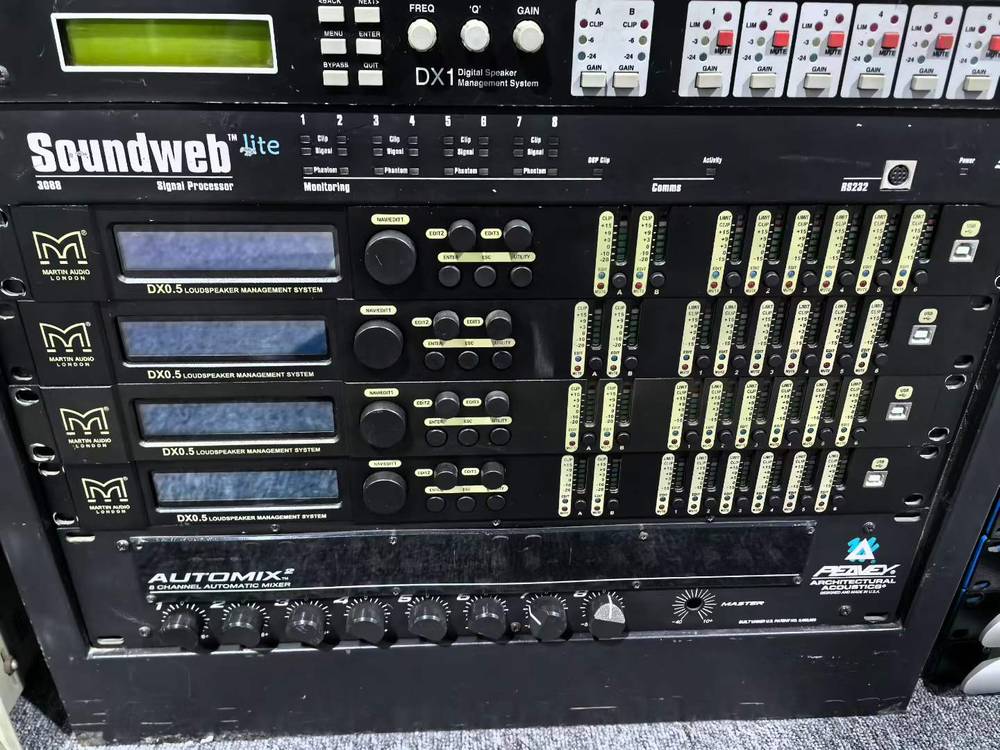
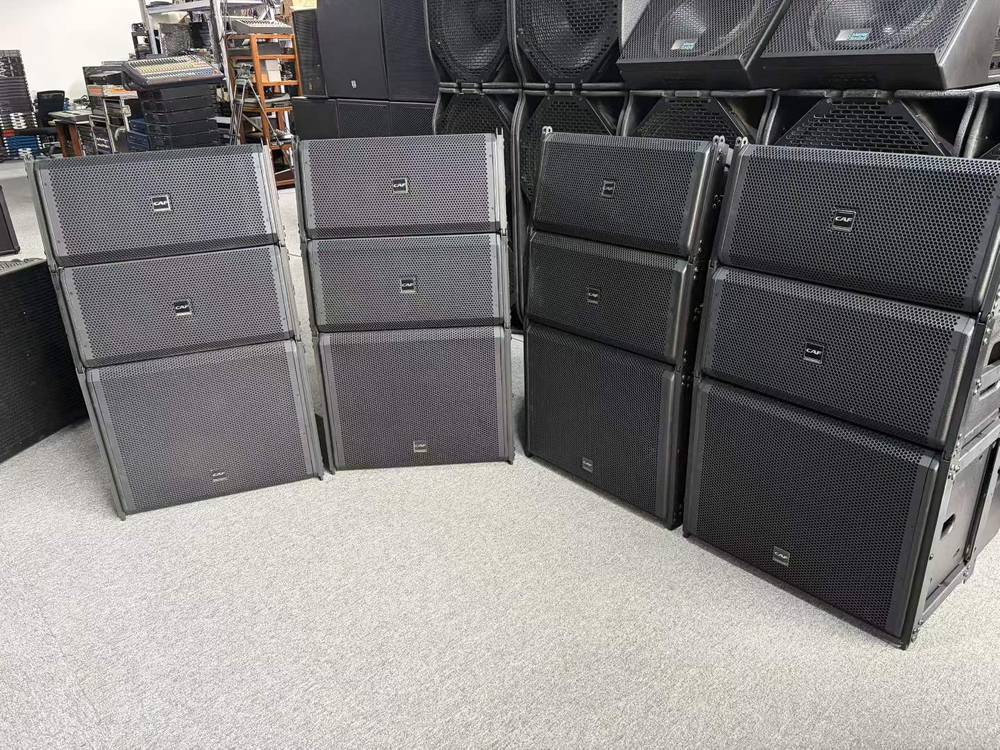
Prepare an equipment list by function rather than by brand alone. Typical categories include loudspeakers, subwoofers, power amplifiers, digital signal processors, mixing consoles, stage boxes, wired microphones, wireless systems, intercom components, cabling, racks, and rigging accessories. Confirm electrical supply, connector standards, network protocols, and control software requirements before requesting offers. A discontinued product may still be useful, but compatibility with current infrastructure and availability of service information should be assessed first.
Inspect condition and technical compatibility
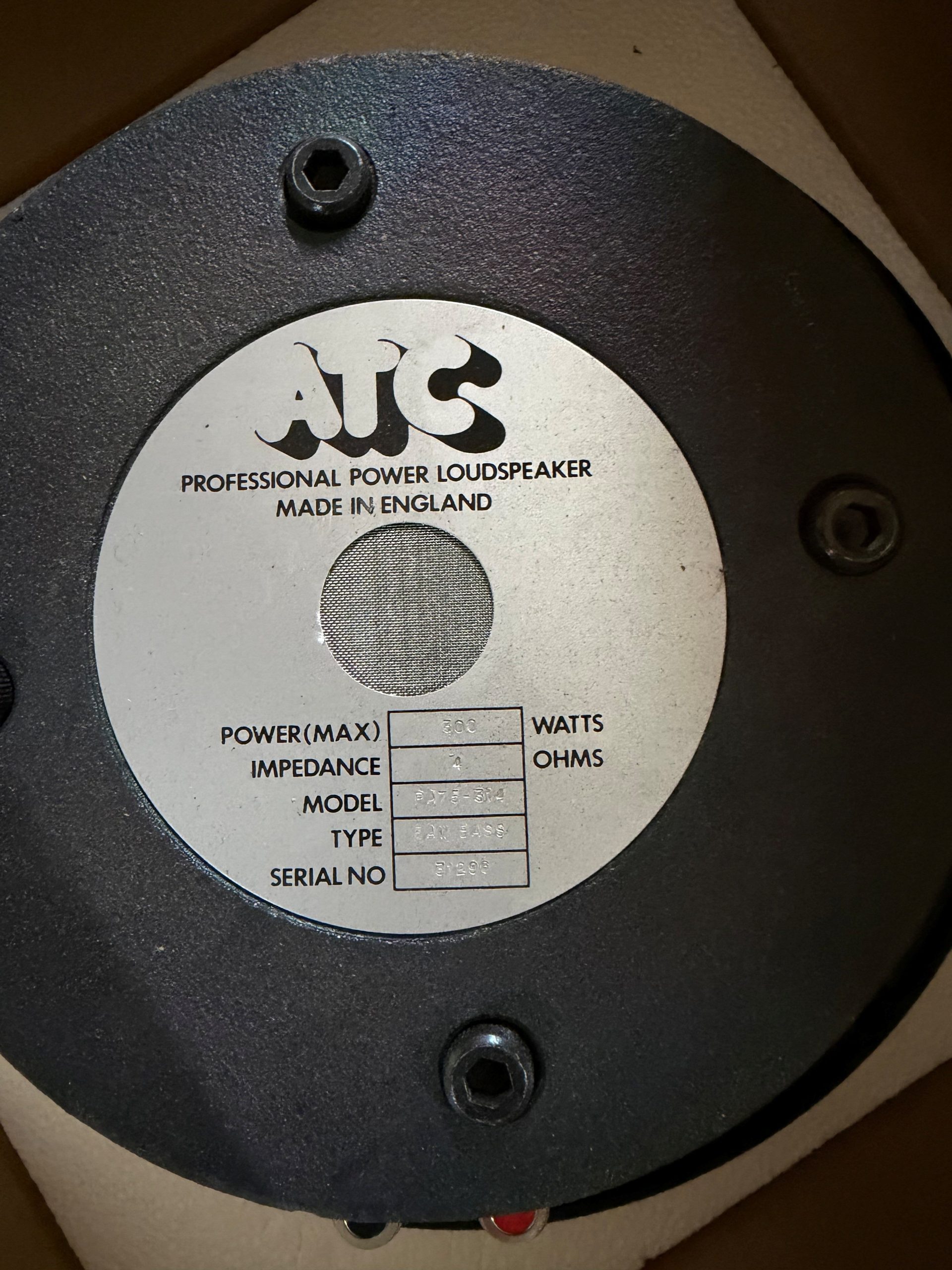
Condition should be documented at item level. Ask for clear photographs of labels, connectors, control surfaces, cabinets, grilles, and suspension points, together with serial numbers where available. For loudspeakers, request information about driver condition, cabinet repairs, replacement parts, and any signs of moisture exposure. For amplifiers and consoles, check power-up behaviour, display operation, input and output channels, cooling fans, faders, encoders, and error messages. Test reports are useful when they identify the test method and the functions checked; they should not be treated as a substitute for your own acceptance procedure.
Verify firmware, licensing, included accessories, and software dependencies. Some digital consoles and processors require specific versions or license transfers. Wireless equipment may be restricted by local frequency regulations, so the operating bands must be reviewed for the destination country. Confirm whether microphones include capsules, clips, power supplies, antennas, mounting hardware, and original cases. UsedAudioHub or another specialist supplier can help assemble a mixed-system quotation, but the buyer should approve the technical specification before purchase.
Plan export documentation and transport
Before shipment, agree on the commercial description, quantities, serial numbers, country of origin information where available, customs classification, delivery term, and consignee details. The importer may need documents such as a commercial invoice, packing list, transport document, and export or import permits depending on the goods and jurisdictions involved. Wireless transmitters, batteries, and equipment containing lithium cells may require additional carrier information or dangerous-goods procedures. Do not assume that a product can be shipped solely because it is legal to use in the seller’s market.
Professional audio is vulnerable to impact, moisture, vibration, and connector damage. Request suitable packaging for weight and shape: padded cases or reinforced cartons for consoles, protected grille surfaces for loudspeakers, and secured controls for rack equipment. Ask the shipper to record package dimensions and gross weight before collection. For larger installations, compare consolidated freight with separate consignments and coordinate delivery with the site’s storage capacity and installation schedule.
Integrate and accept the system at site
Create an installation checklist before arrival. It should cover equipment identification, visual inspection, power requirements, grounding, signal flow, network addressing, software versions, presets, loudspeaker aiming, amplifier configuration, and backup components. Any replacement or modification should be recorded so that the venue receives an accurate as-installed file. For flown systems, only appropriately qualified personnel should assess structural loads and approve the final rigging method.
Commissioning should include channel tests, polarity checks, gain structure, system limiting, microphone and playback tests, control access, and representative programme material. Measure coverage and speech intelligibility where relevant to the project brief, while documenting the test conditions. Keep invoices, packing lists, inspection records, manuals, firmware files, and serial-number schedules in the venue’s maintenance archive. This documentation makes future repairs, resale, and additional sourcing more manageable.
FAQs
Can used equipment be mixed with new theatre equipment?
Yes, if connectors, impedance, power capacity, protocols, firmware, control access, and performance requirements are compatible. A documented signal-flow and risk review should precede installation.
What should an exporter confirm before dispatch?
Confirm the exact items and condition, packing method, serial numbers, customs data, delivery term, destination regulations, and any special requirements for wireless equipment or batteries.