Knowledge base
Used Professional Audio for Fixed Installation Projects: A Practical Export Guide
How integrators and resellers can source, inspect, document, and export used professional audio equipment for venues, corporate spaces, education, worship, and other permanent installations.
Where used equipment fits in a fixed installation
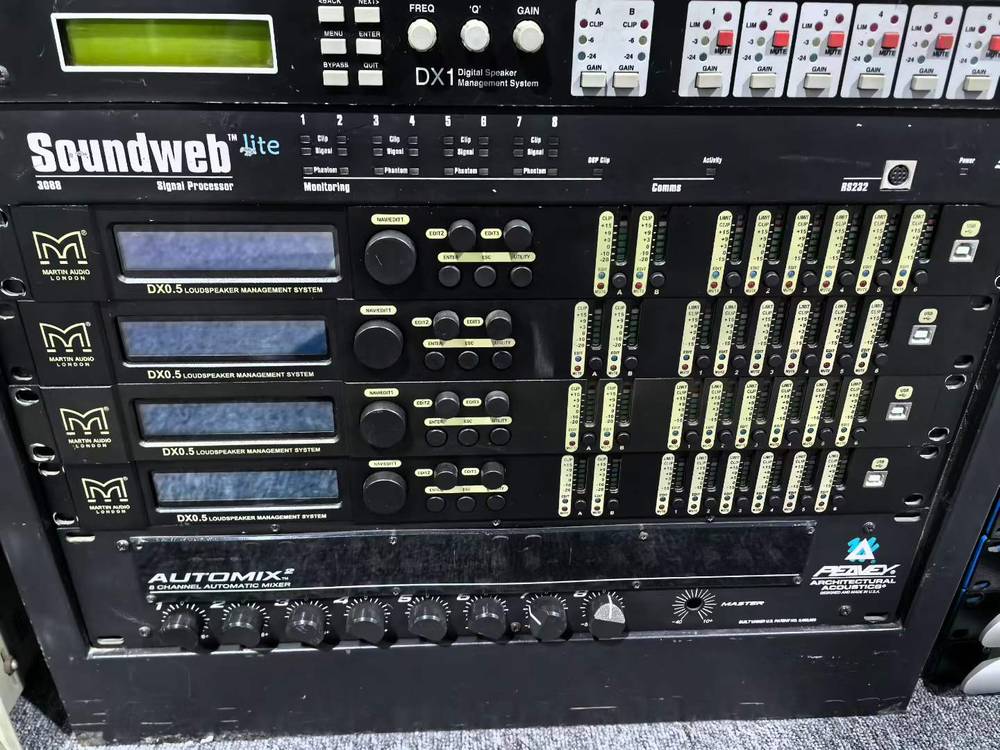
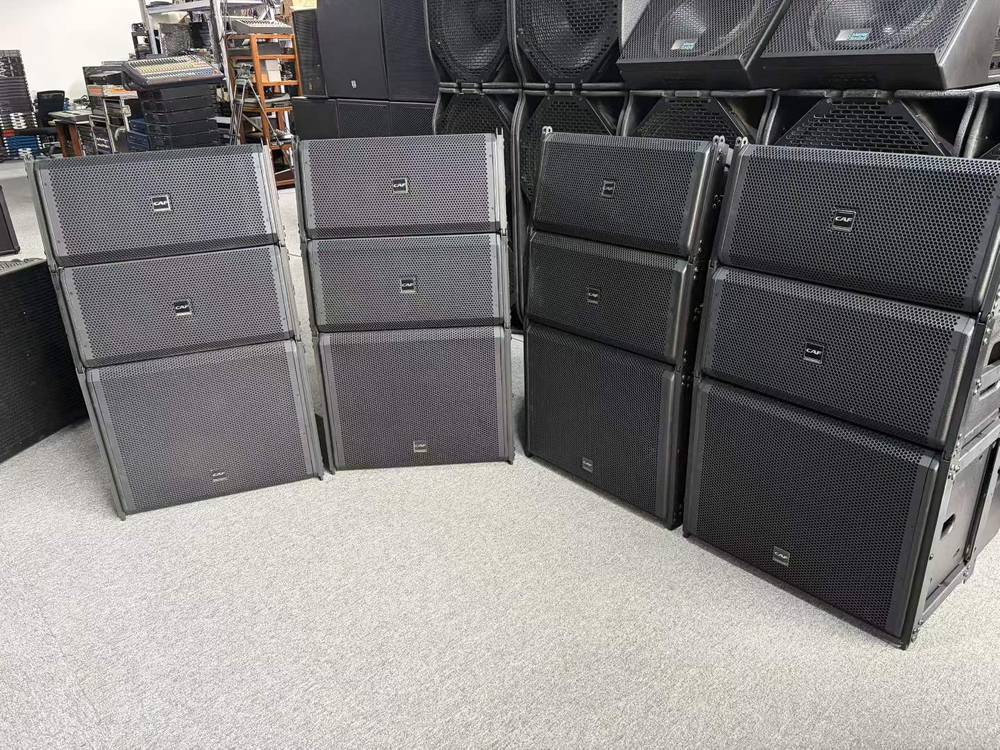
Used professional audio can be a practical option for fixed installation projects when the equipment is technically suitable, available within the project schedule, and supported by clear documentation. Typical applications include conference rooms, restaurants, houses of worship, schools, theatres, museums, retail spaces, and small entertainment venues. Commonly sourced items include loudspeakers, amplifiers, digital signal processors, mixers, wireless systems, microphones, network audio devices, racks, and control accessories.
The main advantage is not simply a lower acquisition cost. Used equipment may also provide access to discontinued product families, matching components, or proven models that are familiar to the local integrator. However, a permanent installation requires a more disciplined assessment than a short-term rental. Equipment may operate for many hours each week, remain difficult to access after handover, and need to integrate with new control, networking, and power systems.
Define the technical specification before sourcing
Prepare a project schedule of requirements before contacting suppliers. Include the venue type, room dimensions, audience area, expected sound levels, number of zones, mounting method, power supply, signal format, network requirements, and local operating conditions. For loudspeakers, check coverage, impedance, sensitivity, weather exposure, and whether brackets or rigging hardware are included. For amplifiers, verify output ratings at the required loads, connector type, cooling arrangement, voltage, and frequency compatibility.
For digital equipment, identify firmware dependencies, software versions, licensing requirements, control protocols, and compatibility with the proposed network. Confirm whether a product can be configured without a discontinued computer application or proprietary accessory. A model that appears suitable on a product sheet may still create integration risk if its remote-control platform is obsolete.
Inspect, document, and match the system
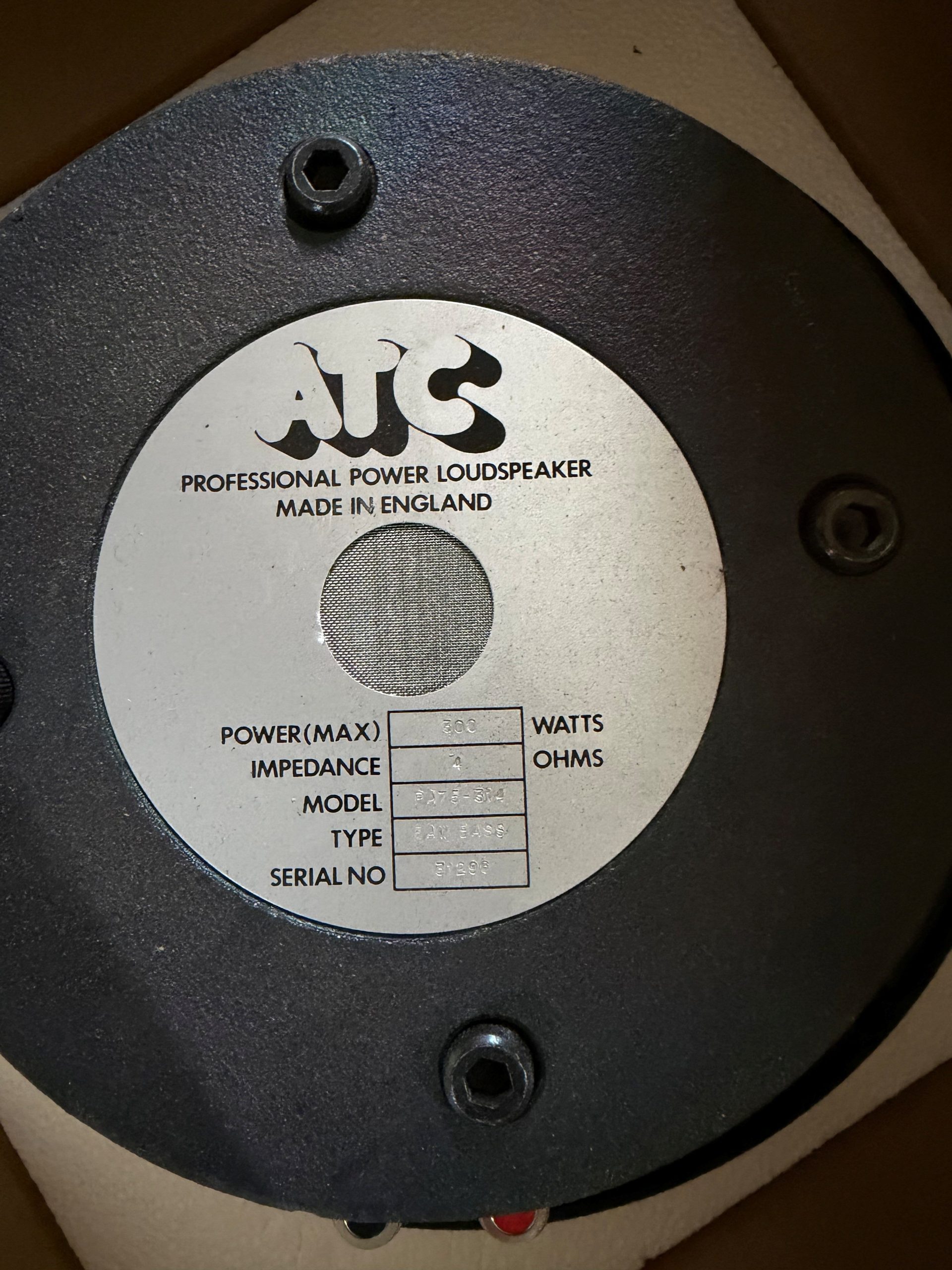
Ask for the exact model, serial number where available, photographs of the front, rear, connectors, displays, labels, and accessories, plus a clear condition description. Functional checks should cover power-up, inputs and outputs, controls, displays, cooling fans, network ports, battery compartments, and protection indicators. For loudspeakers, inspect cones, surrounds, grilles, terminals, cabinets, and mounting points. For wireless systems, verify frequency range and local regulatory suitability before import.
Condition should be recorded by component, not only for the complete lot. Note missing rack ears, power cables, antennas, mounting brackets, manuals, or proprietary connectors. If equipment is intended to be installed in a visible area, cosmetic wear should be agreed in writing. UsedAudioHub or another export supplier can be asked to separate tested items from accessories requiring replacement, but the buyer should still define the acceptance criteria before shipment.
Plan export, installation, and lifecycle support
Before ordering, confirm the commercial invoice description, packing list, country of origin information when required, shipping dimensions, gross weight, and responsible party for customs clearance. Check whether batteries, wireless transmitters, amplifiers, or wood packaging create additional transport or import requirements. Use suitable packaging for rack equipment, moving-coil loudspeakers, connectors, and fragile displays. Photograph the packed goods and record serial numbers before dispatch.
For the installation team, prepare a configuration file, wiring schedule, address list, test procedure, and spare-parts plan. Allow time for firmware checks, factory resets, connector replacement, and acoustic verification. Do not describe used equipment as new, certified, or guaranteed unless the supplier has provided written evidence that supports that statement. A clear condition report and agreed inspection process reduce disputes and help the integrator decide which components should be reused, refurbished, or replaced.