Knowledge base
Used Live Event Sound Package Sourcing Guide
A practical guide to specifying, checking, consolidating, and exporting used professional sound equipment for concerts, conferences, festivals, and touring productions.
Define the package before contacting suppliers
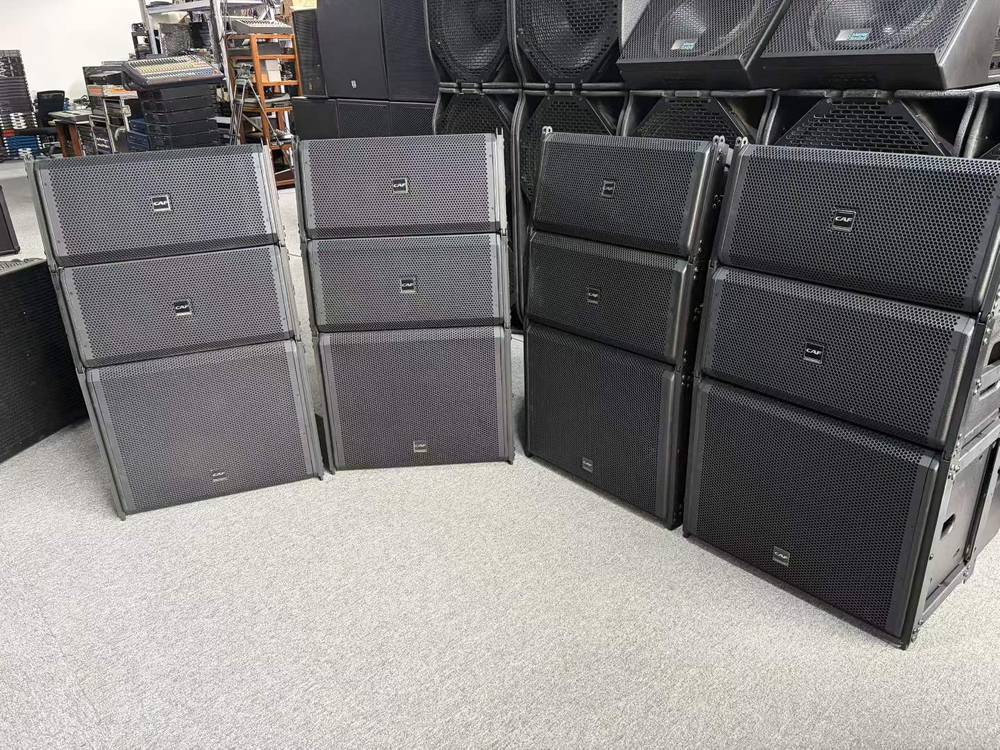
Start with the event format, audience size, venue conditions, transport plan, and technical rider. A live sound package may include a digital or analog mixing console, stage boxes, loudspeakers, subwoofers, amplifiers, monitors, microphones, wireless systems, cabling, stands, cases, and power distribution. Do not treat the package as a list of brand names only. Record the required input count, output count, network or digital audio protocol, speaker coverage, amplifier matching, and monitoring configuration.
Separate essential equipment from preferred alternatives. This helps a supplier propose compatible substitutions without changing the system design. For export, also identify destination voltage, frequency, connector requirements, import restrictions, and whether wireless frequencies require local approval. A clear specification reduces unsuitable offers and makes several quotations easier to compare.
Evaluate condition and technical compatibility
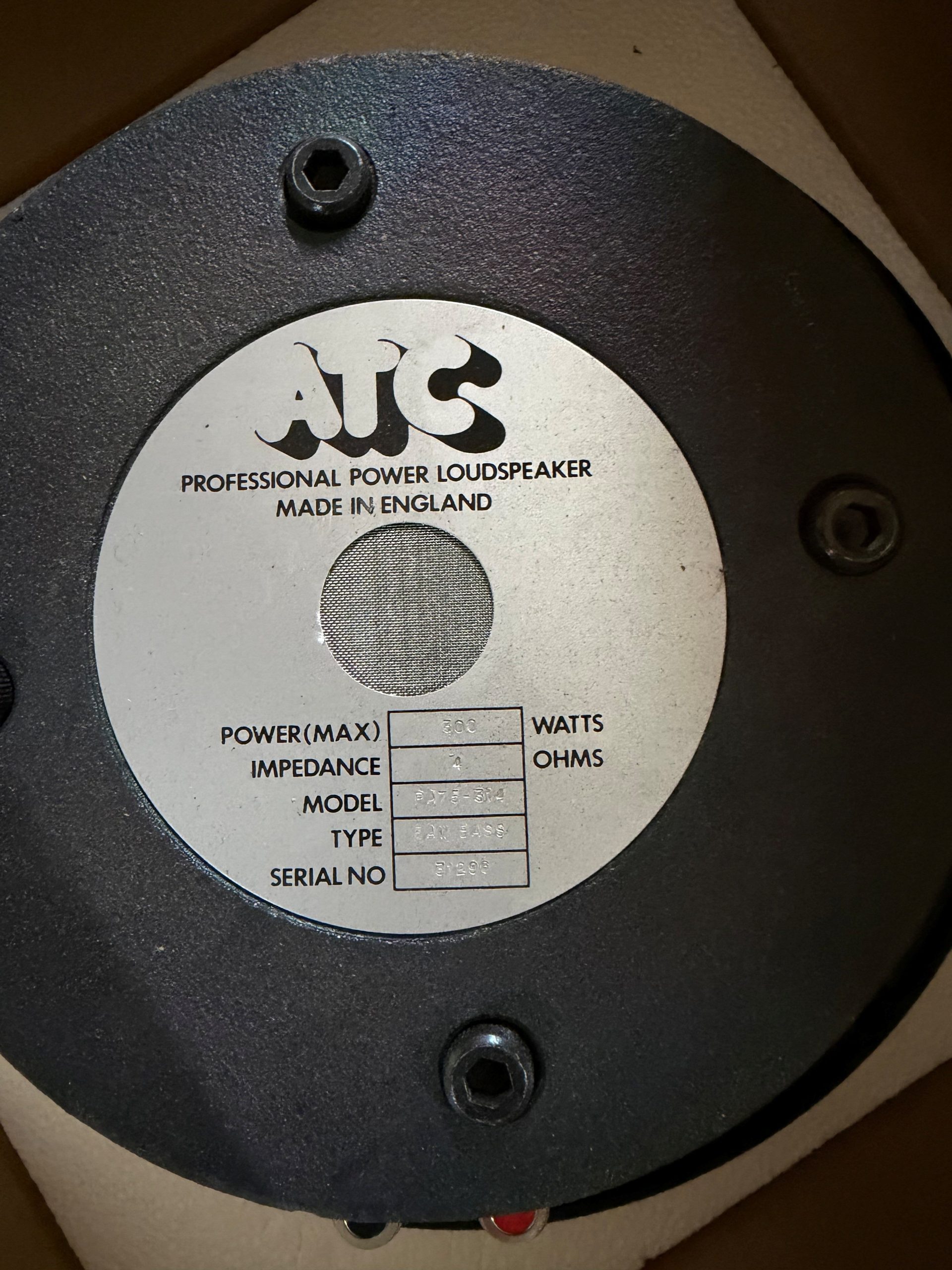
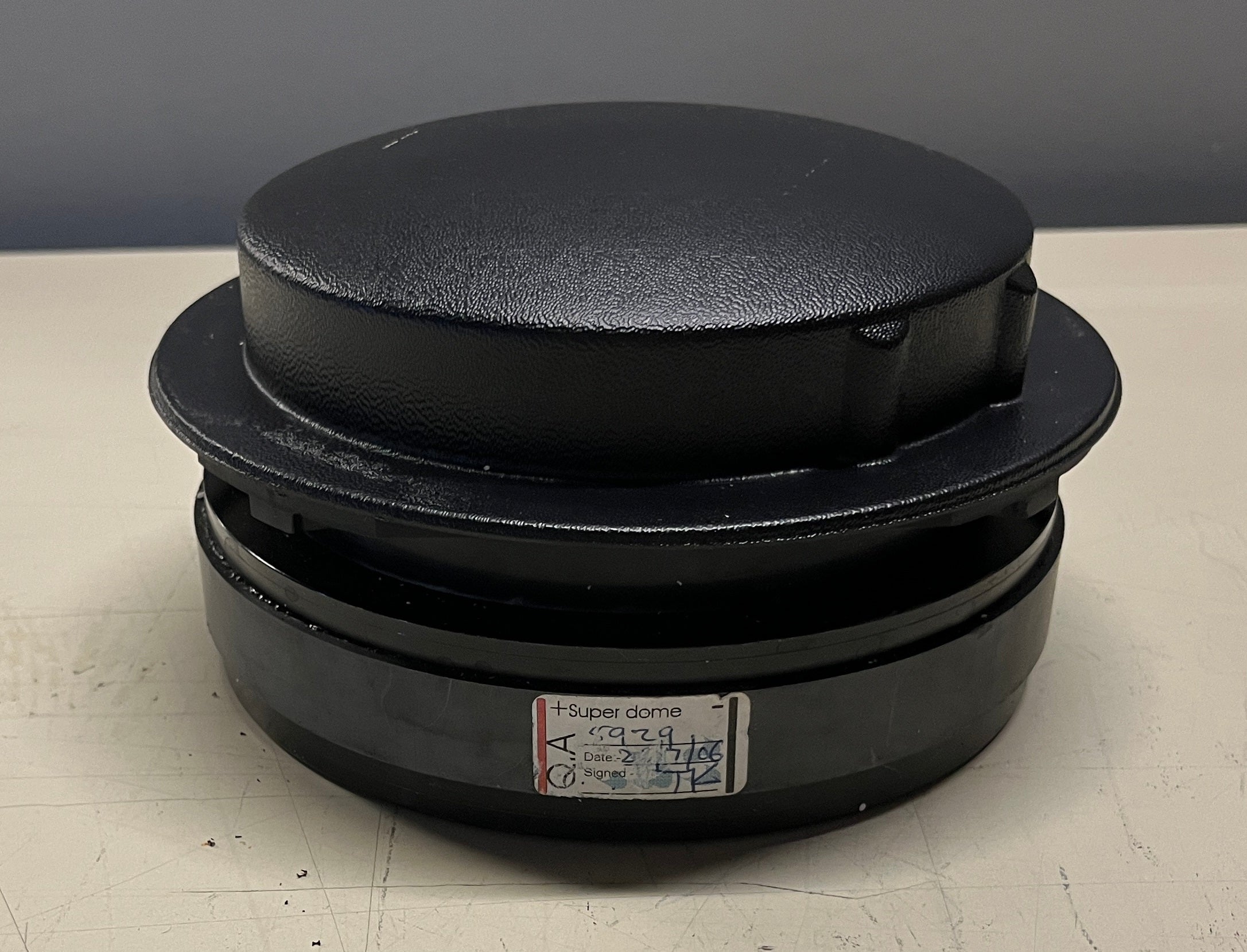
Ask for the exact model, serial number where available, production revision, quantity, included accessories, and current photographs. Request close views of connectors, grille cloth, cabinet corners, faders, screens, batteries, rack hardware, and flight cases. Cosmetic wear is often acceptable in professional rental equipment, but water damage, deformed cabinets, corrosion, missing connectors, and repaired circuit boards require closer assessment.
For powered equipment, confirm the rated mains voltage and the condition of power supplies. For loudspeakers, check driver operation, suspension condition, impedance, and any signs of reconing. For consoles and digital systems, confirm firmware compatibility, software or license status where relevant, and whether the required stage boxes, cards, control surfaces, or network switches are included. Wireless equipment needs special attention because frequency ranges may differ between countries.
UsedAudioHub or another specialized marketplace can help buyers collect offers from professional sellers, but the buyer should still request documentation and conduct independent technical checks. A listing is a starting point, not a substitute for a written condition report or inspection.
Build an export-ready purchase plan
Consolidating multiple items into one shipment can simplify handling, but only if the equipment is packed according to its fragility and weight. Loudspeaker cabinets, amplifiers, consoles, and wireless accessories should be itemized separately on the packing list. Record dimensions, gross weight, serial numbers, and the number of packages before booking freight. Reusable flight cases can protect equipment, although they may increase chargeable volume.
Agree in writing on the trade term, pickup address, loading responsibilities, export documents, insurance arrangements, and permitted inspection period. Confirm who supplies the commercial invoice, packing list, and any documents requested by the destination broker. The invoice should describe used equipment accurately, including model, quantity, condition, and country of origin when known. Avoid vague descriptions such as audio goods if customs or the carrier requires more detail.
Control risks before dispatch
Use a purchase checklist covering quantity, accessories, functionality, visible damage, packaging, and serial numbers. If an inspection is possible, test every signal path, input, output, display, network connection, amplifier channel, speaker driver, microphone, and cable category relevant to the system. Photograph the packed shipment and retain correspondence, test records, and signed handover documents.
Before final payment or collection, reconcile the confirmed configuration with the quotation and packing list. Verify that substitutes are approved in writing and that missing accessories are documented. Plan for spare cables, adapters, connectors, and replacement consumables, but do not assume that a used package includes them. A disciplined specification, inspection, and export file gives the buyer a better basis for selecting equipment and resolving discrepancies with the seller or freight partner.