Knowledge base
Professional Audio Export Documentation Checklist
A practical checklist for preparing commercial, customs, transport, and equipment records when exporting used professional audio equipment.
Start with an accurate equipment file
Before requesting freight rates or preparing customs documents, create one file for every item or shipment lot. Record the manufacturer, model, equipment type, serial number, quantity, year if known, and a clear description of its present condition. For used mixers, amplifiers, microphones, processors, loudspeakers, and related accessories, distinguish the main unit from power supplies, rack ears, flight cases, cables, and spare parts. Customs descriptions should be specific enough to identify the goods without relying only on internal stock codes.
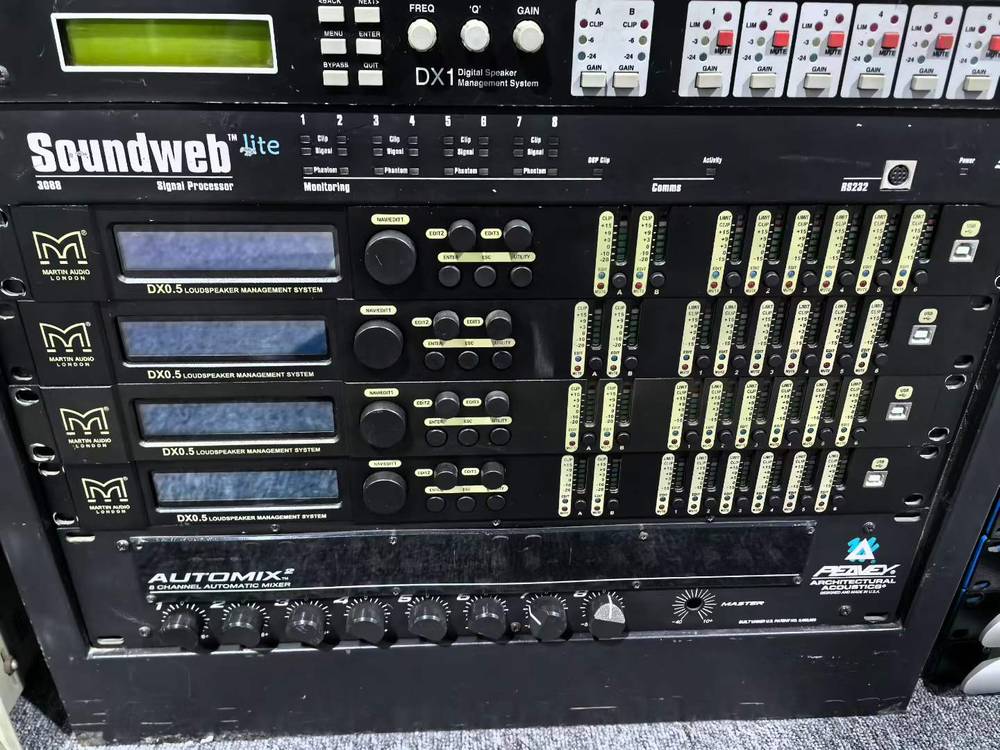
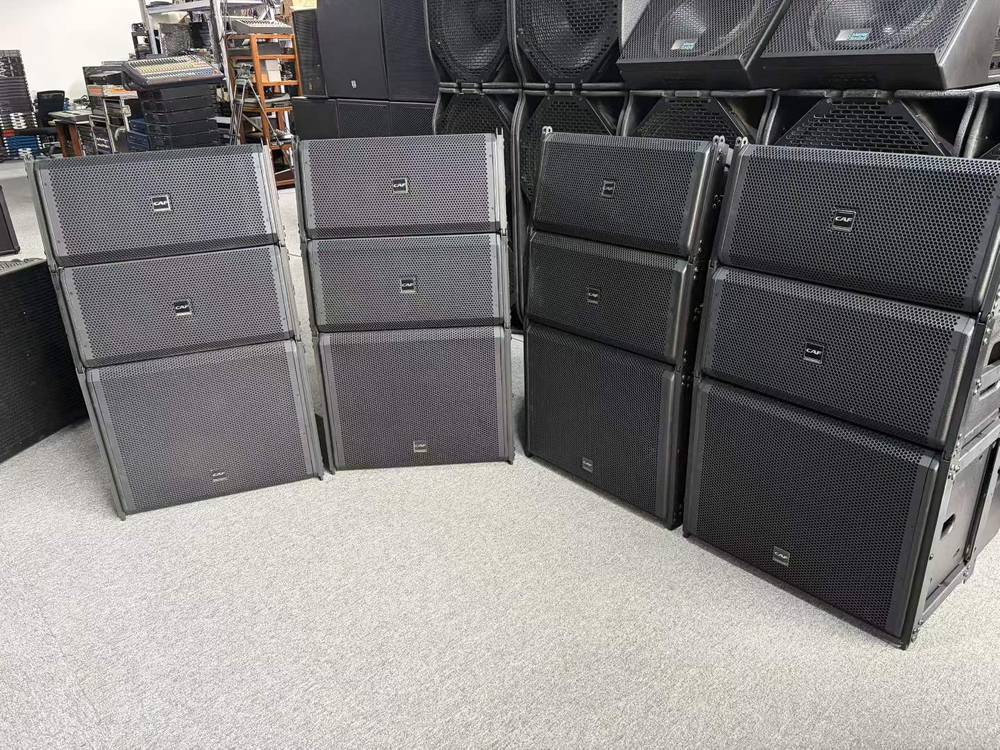
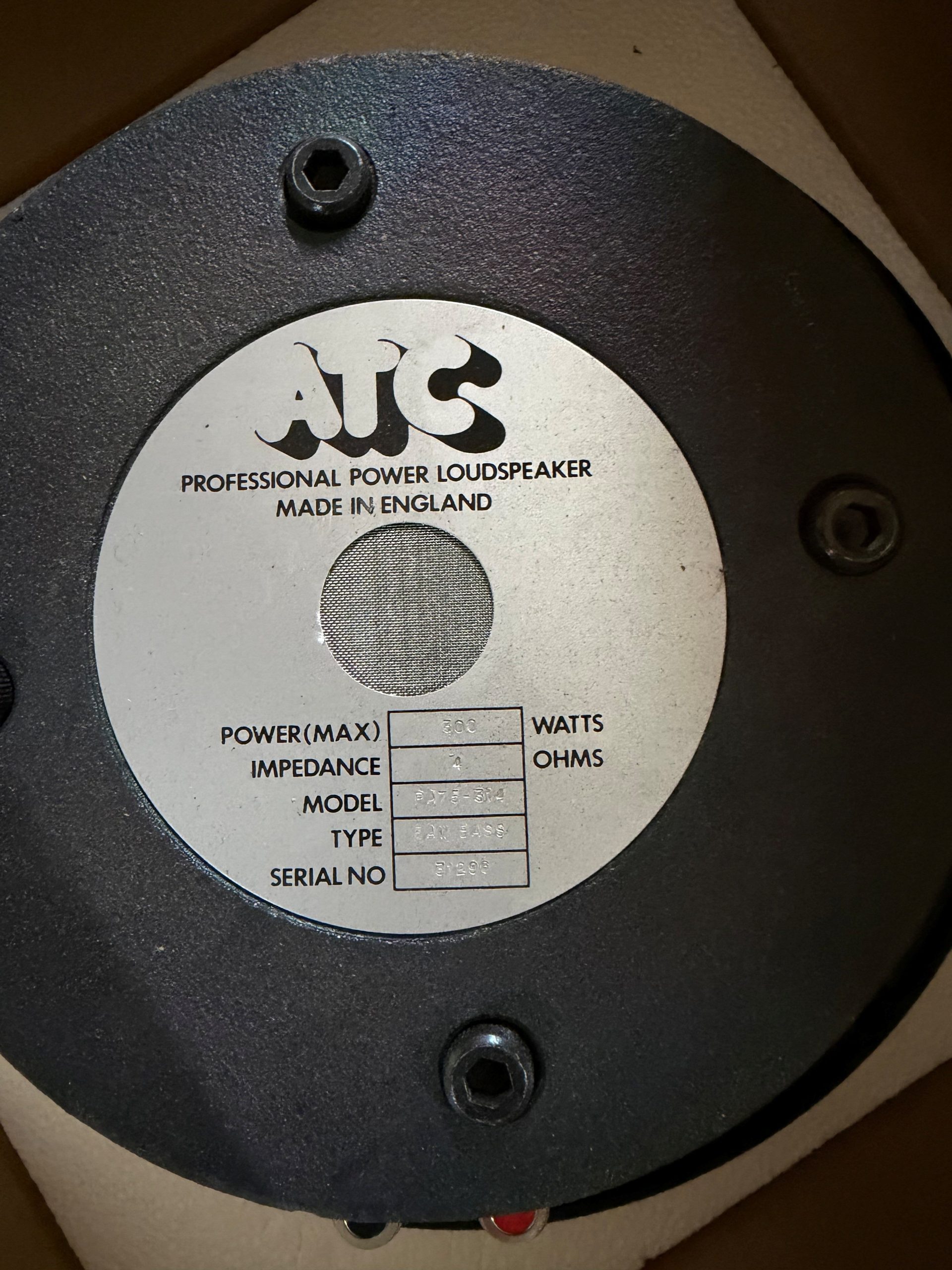
Keep photographs of the front, rear, serial plate, accessories, and any visible wear. These images support the condition description and can help resolve questions from the buyer, carrier, insurer, or customs broker. If an item has been tested, record the test scope and date without presenting a limited inspection as a guarantee. UsedAudioHub and similar B2B sellers can use this file as the source for quotations, invoices, and packing records.
Prepare the commercial and customs documents
The commercial invoice normally includes the exporter and buyer details, invoice number and date, currency, payment terms, Incoterms® rule and named place, item descriptions, quantities, unit values, total value, gross or net weight where required, and the country of origin information available to the seller. The declared value should be consistent with the transaction and supporting records. Do not describe equipment as “no commercial value” merely because it is used or supplied for evaluation.
Assign the appropriate HS classification with care. Audio equipment can fall under different headings depending on its function, design, and accessories; the exporter should confirm the classification with a customs professional or the relevant authority rather than copying a code from an unrelated shipment. Check whether the destination requires an import permit, special declaration, conformity documentation, or local registration. A certificate or statement of origin may be useful or required, but it should only be issued when the applicable rules are met.
Match documents to the shipment and route
Prepare a packing list that matches the invoice line by line. It should show package numbers, contents, dimensions, gross and net weights, and any serial numbers or lot references needed for identification. Mark cases and cartons so that package labels correspond to the packing list. For palletized equipment, note the number of pallets and whether items are secured, stacked, or protected from moisture.
Give the freight forwarder accurate transport instructions, including pickup and delivery addresses, contact persons, operating hours, shipment dimensions, and handling requirements. The carrier’s transport document—such as an air waybill, bill of lading, or road consignment note—must reflect the actual shipper, consignee, packages, and routing. If equipment contains lithium batteries, pressurized components, or other regulated materials, obtain the carrier’s current dangerous-goods guidance before packing. Do not assume that ordinary audio equipment is automatically unrestricted.
Complete a final pre-dispatch review
Before release, compare the invoice, packing list, export declaration, transport document, and purchase order. Check spelling of legal names, addresses, serial numbers, quantities, values, currency, Incoterms® rule, and destination. Confirm who is responsible for export clearance, import clearance, duties, taxes, insurance, and delivery under the agreed term. Retain the final documents, inspection notes, photographs, and correspondence according to applicable record-retention rules.
Send the buyer copies of the documents required for import, while protecting personal and commercial data. If a broker prepares the declaration, review the draft rather than treating it as automatically correct. Requirements vary by origin, destination, product configuration, and transport mode, so verify current rules with customs authorities, the carrier, and qualified advisers before dispatch. A complete, consistent file reduces clearance delays and gives both parties a defensible record of what was sold and shipped.