Knowledge base
How to Prepare a B2B Used Pro Audio Quotation Request
A practical guide to preparing a clear quotation request for used professional audio equipment, with the technical, commercial, and export details suppliers need to respond accurately.
Define the equipment requirement
A useful quotation request starts with a precise description of the equipment you need. State the equipment category, manufacturer, model, quantity, and any acceptable alternatives. For example, specify whether you require a digital mixing console, wireless microphone system, power amplifier, loudspeaker, studio interface, or signal processor. If the exact model is not essential, explain the required functions, channel count, connectivity, power rating, software compatibility, or rack format.
Used professional audio equipment can vary significantly by generation and configuration. Include the intended application, such as touring, installation, broadcast, theatre, worship, studio production, or education. This helps the supplier identify suitable versions and avoid offering equipment that meets the name but not the operational requirement. If you already have compatible equipment, list its models and connectors so the supplier can check system integration.
Describe acceptable condition and verification
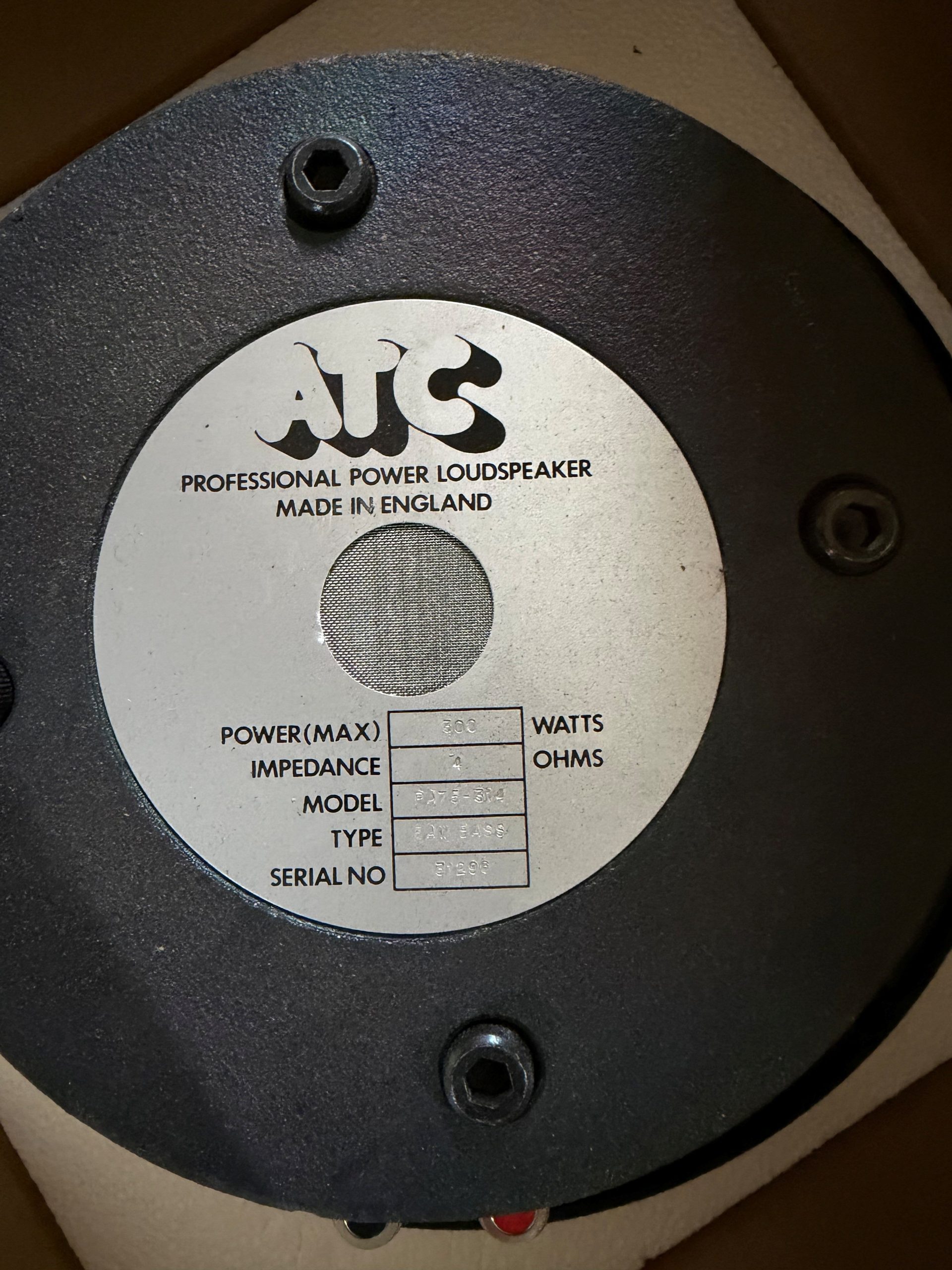
Condition should be defined in practical terms rather than by a single label such as “used” or “excellent.” Ask the supplier to state whether the unit is tested, serviced, fully functional, cosmetically marked, or sold as-is. Request current photographs of the actual items when appearance, serial labels, included accessories, or connector condition matters. For larger purchases, you may also ask for a test report, power-on video, or a description of known faults. These documents are not substitutes for your own inspection requirements, but they make the quotation easier to evaluate.
List the accessories that are required, including power supplies, mounting hardware, flight cases, network cards, control software, cables, batteries, antennas, or original packaging. Clarify whether accessories must be original or whether compatible replacements are acceptable. If software licenses, firmware versions, region-specific power requirements, or local wireless regulations affect usability, mention them before requesting a quote.
Provide commercial and export information
A supplier needs destination and transaction details to prepare a realistic export quotation. Include the delivery city and country, preferred Incoterm if known, currency, requested quantity, and target shipping timing. If you do not know which Incoterm is appropriate, ask the supplier to quote available options, such as collection from the seller’s location or delivery to your nominated destination. Confirm whether you need a consolidated shipment or separate packing for each item.
Identify the buying entity and provide billing information when appropriate. State whether the request is for resale, project installation, rental stock, or internal use. Ask the supplier to separate equipment value, packing, freight, insurance, and any other quoted charges. Import duties, VAT, customs brokerage, and local taxes may depend on the destination and are often payable by the importer, so request clarification rather than assuming they are included.
Ask for a comparable written quotation
Use a numbered equipment list and request that the supplier replies against each line. Ask for model and quantity, condition, included accessories, availability, validity period, payment terms, lead time, packing method, and shipping options. For export clearance, the commercial invoice may need an accurate description, value, origin information, and consignee details; confirm the supplier’s documentation process before placing an order.
When contacting a specialist marketplace or seller such as UsedAudioHub, send one complete request instead of several short messages. This reduces clarification cycles and helps the seller compare alternatives. Before accepting a quotation, check that the offered configuration matches your specification and that any exclusions are clearly written. A well-prepared request does not guarantee availability, but it gives both parties a reliable basis for a transparent B2B transaction.