Knowledge base
Freight Planning for Used Professional Audio Export
A practical guide to preparing, packing, documenting, and routing used professional audio equipment for international shipment.
Start with an Accurate Shipment Profile
Freight planning begins before a carrier is contacted. Build a shipment profile for every item or consolidated lot, including the equipment type, manufacturer, model, serial number where available, quantity, approximate age, condition, and declared value. Separate rack units, loudspeakers, mixers, amplifiers, microphones, stands, cables, and accessories because they may require different packing methods and may be classified differently by customs.
Record the packed dimensions and gross weight, not only the product specifications. Freight companies calculate handling requirements from the outer package, pallet, or crate. Note whether the cargo can be stacked, whether it must remain upright, and whether it needs a tail lift or other special handling at collection or delivery. Photos of the equipment and the completed packaging help establish the shipment condition before handover.
Select the Transport Method and Trade Terms
For small, high-value, or time-sensitive consignments, express or standard air freight may be suitable. Heavier consolidated shipments are often considered for road transport, short-sea services, or ocean freight, depending on the origin, destination, schedule, and available infrastructure. Compare the total logistics requirement rather than using weight alone: volumetric weight, pallet space, insurance arrangements, customs processing, and final-mile delivery can materially affect the decision.
Agree the Incoterms rule in writing before booking. The selected rule should identify who arranges transport, export clearance, import clearance, duties, taxes, and delivery to the named place. It should not be used as a substitute for a complete quotation or operational instruction. Confirm the exact collection address, delivery address, contact persons, loading equipment, and receiving hours. UsedAudioHub or another supplier can provide shipment data, but the buyer and seller should confirm which party is responsible for each freight task.
Protect Equipment During Handling
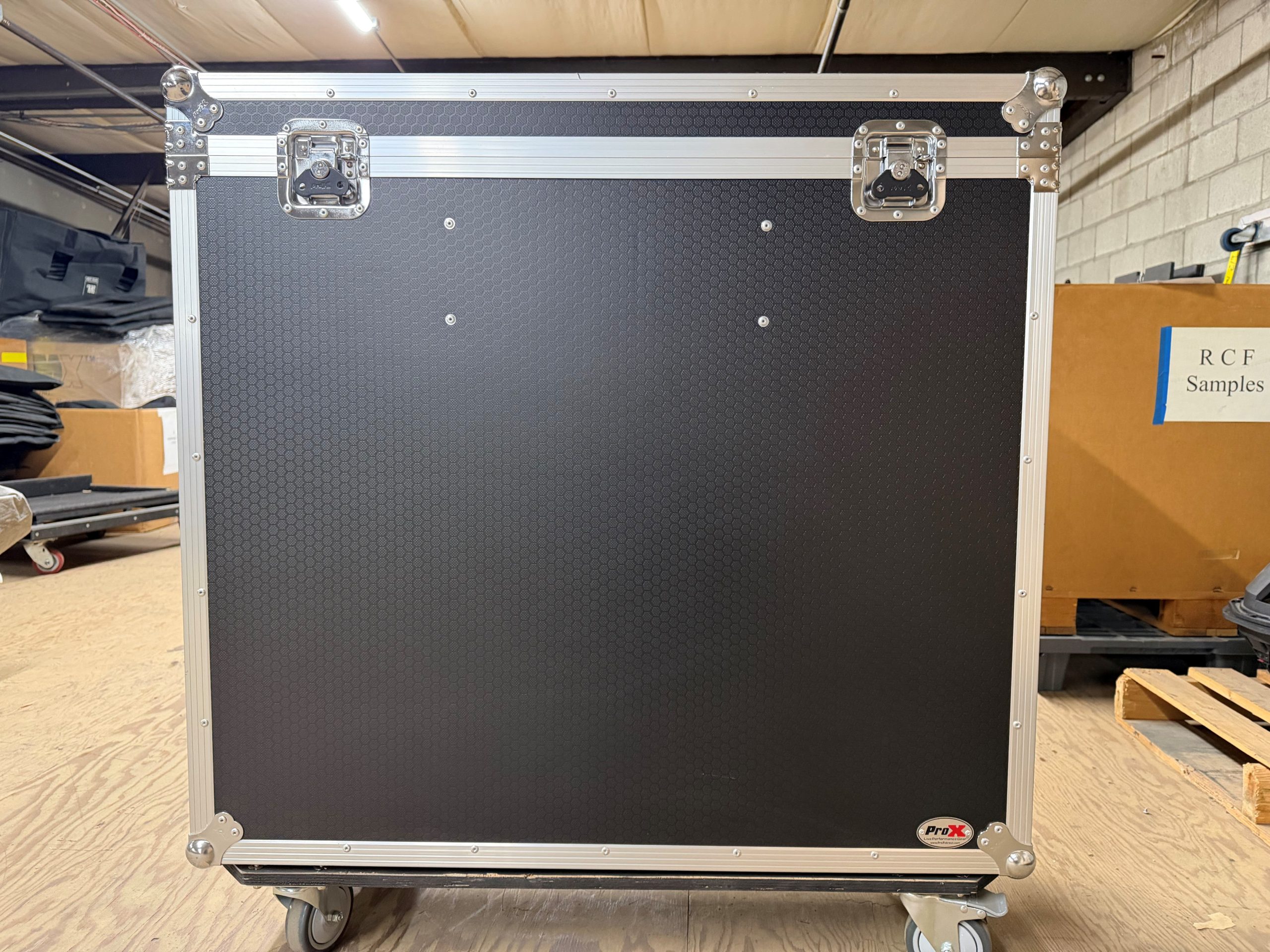
Professional audio equipment can be damaged by impact, vibration, moisture, and movement inside a package. Remove loose accessories, secure controls and moving parts, and protect connectors, faders, displays, and speaker grilles with suitable padding. Use cartons with internal cushioning for lighter equipment. Heavy amplifiers, consoles, and loudspeakers generally need reinforced cartons, pallets, or purpose-built wooden cases, with weight distributed evenly and the center of gravity kept stable.
Do not place excessive pressure on front panels or delicate controls. Seal and label each package, but do not rely on labels alone; use internal blocking and bracing. If wooden packaging is used, check the destination country’s rules for wood packaging material and obtain any required treatment evidence from the packaging provider. Batteries, compressed items, or equipment containing unusual power sources should be identified before booking, as carrier and transport-mode restrictions may apply.
Prepare Export and Import Documents
A commercial invoice should describe the goods clearly as used professional audio equipment and include seller, buyer, origin, quantity, model information, value, currency, and agreed delivery terms. A packing list should match the package marks and show contents, dimensions, and gross weight. The carrier or customs broker may also request an export declaration, transport document, proof of origin, or additional product information. Do not state a preferential origin or tariff classification unless it has been checked.
Before dispatch, ask the importer or broker to verify destination requirements, including duties, taxes, permits, product restrictions, and customs valuation rules. Check that the consignee can act as importer of record and that the delivery location can receive the selected vehicle or container. After pickup, retain tracking details, photographs, signed handover records, and all customs communications. This documentation makes exceptions easier to investigate and helps prevent avoidable clearance delays.