Knowledge base
Building Used Pro Audio Inventory for Rental Companies
A practical guide to planning, sourcing, inspecting, and exporting used professional audio equipment for rental operations.
Start with the rental business model
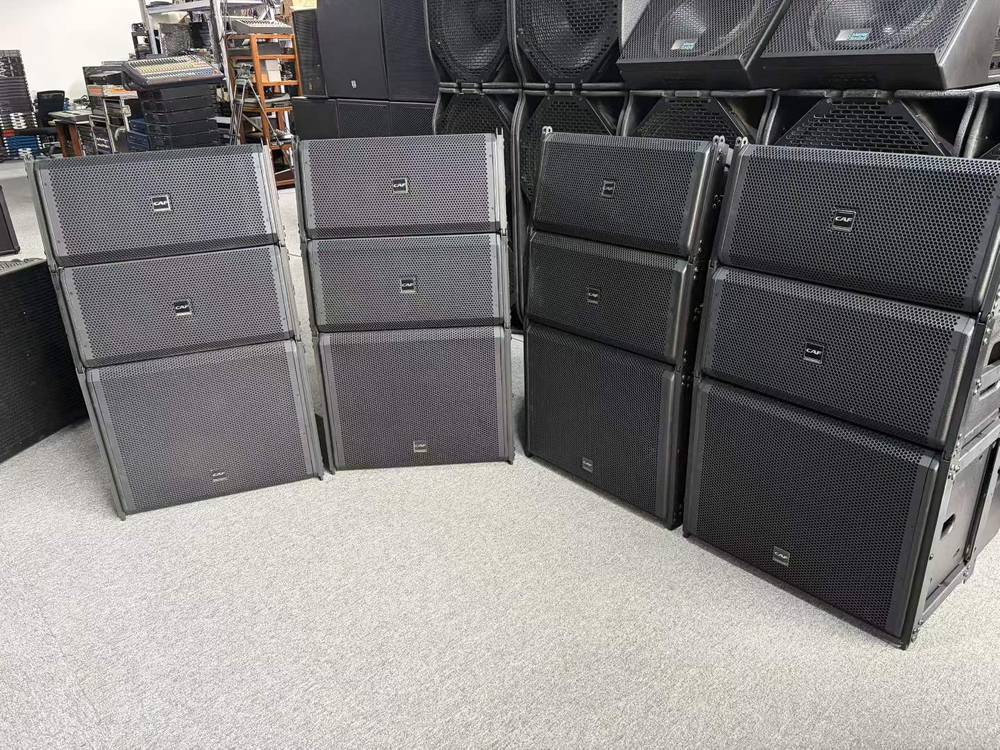
Used professional audio inventory should be built around the work a rental company actually wins, not around isolated bargains. Begin by reviewing past bookings, client requests, venue types, transport limits, and the technical roles your team can support. A company serving corporate events may need reliable wireless systems, compact digital mixers, powered loudspeakers, and presentation microphones. A concert-focused operator may require larger PA components, stage boxes, monitor systems, amplifiers, and rigging-compatible accessories.
Separate the plan into core inventory, support equipment, and specialist items. Core equipment should be compatible across multiple packages and easy for technicians to deploy. Support equipment includes cables, cases, stands, distribution, adapters, and spare parts. Specialist equipment can be added when demand is documented or when a customer has a confirmed project. This structure helps protect working capital and reduces the risk of buying equipment that remains idle.
Define specifications and compatibility before sourcing
Prepare a purchase specification for each product category. Record required input and output formats, connector types, channel counts, power requirements, network protocols, software or firmware dependencies, dimensions, and weight. Check whether products can operate together in the intended signal chain. For example, a digital console, stage box, control software, and network infrastructure may need compatible protocols and firmware versions.
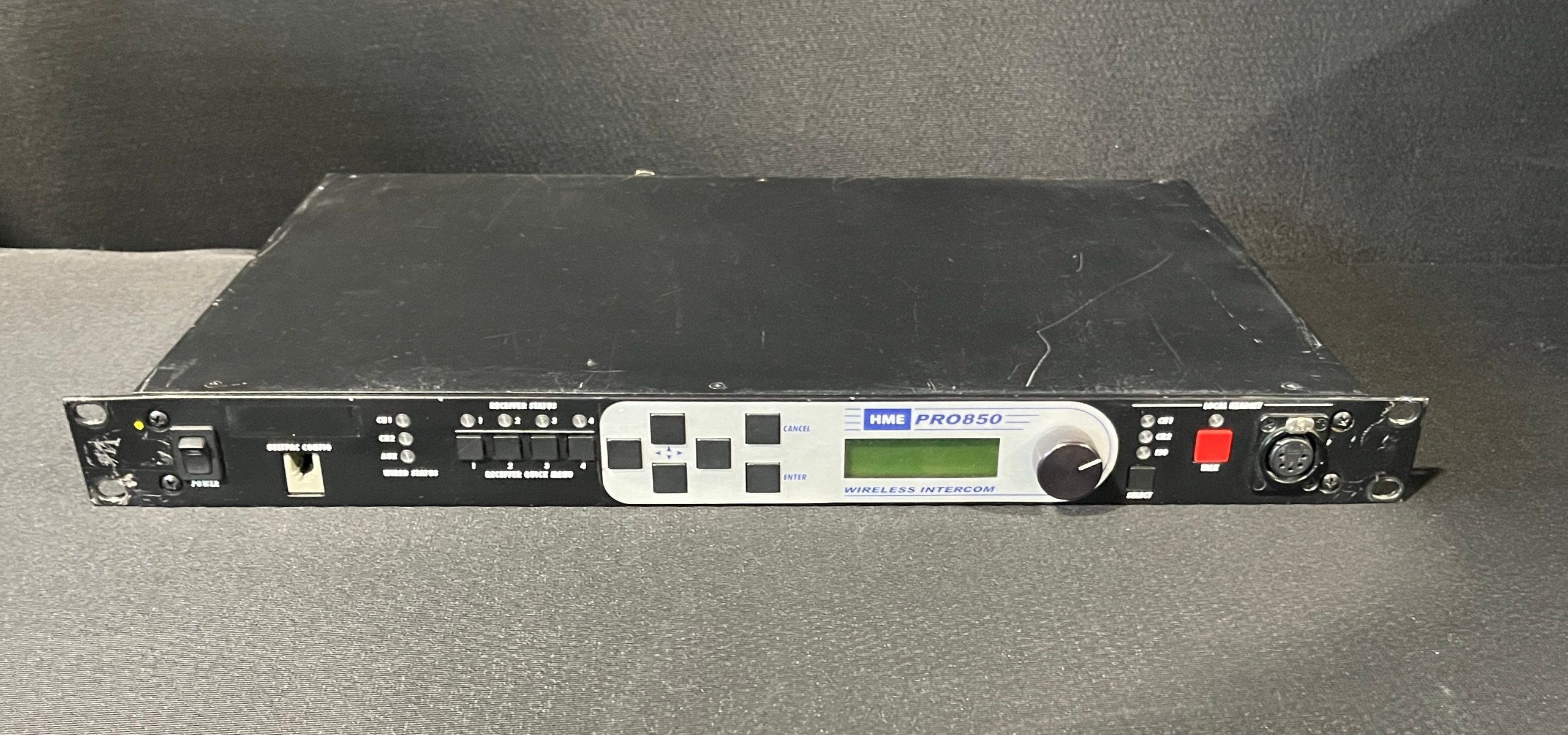
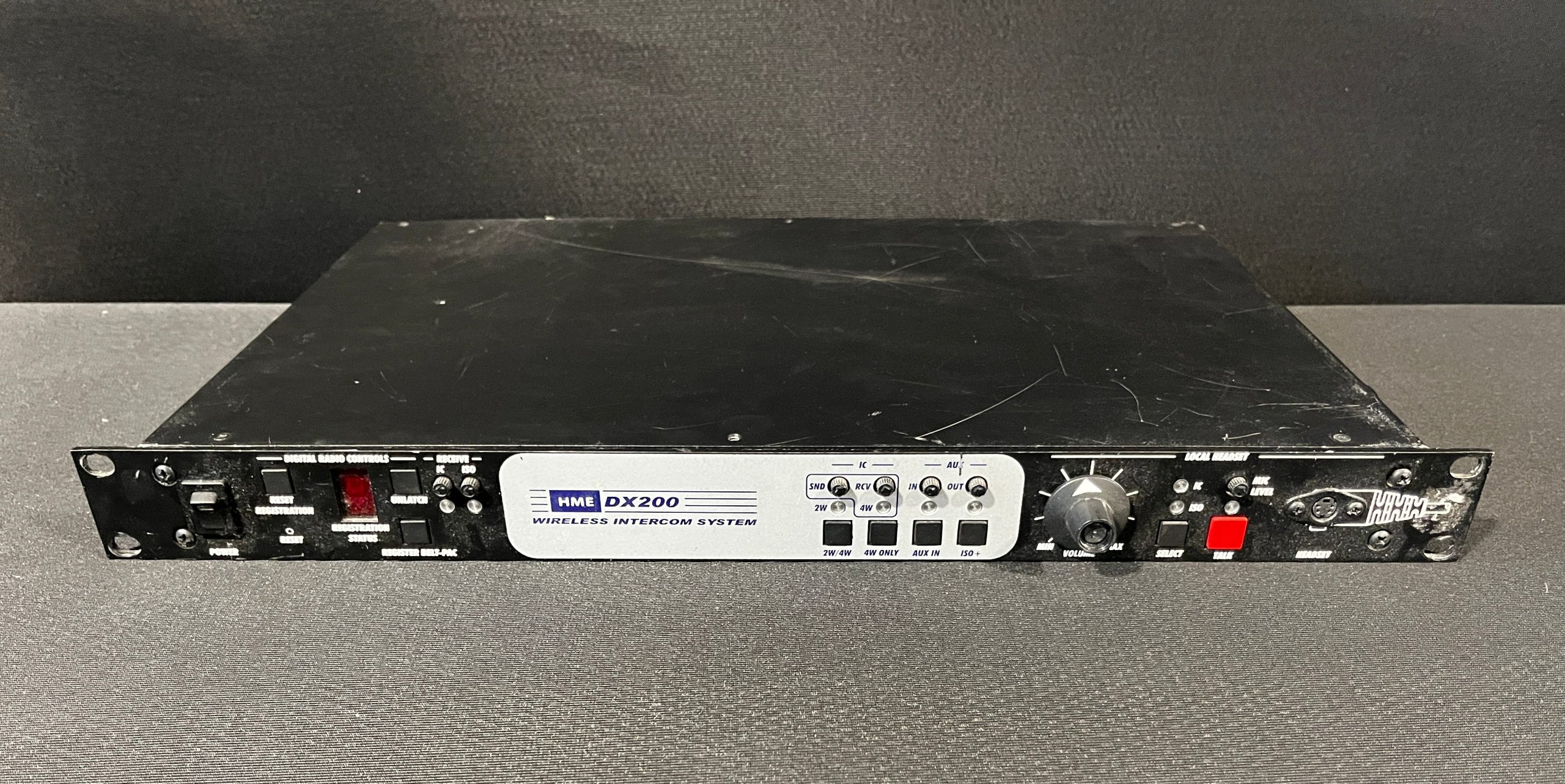
For wireless equipment, verify the frequency range and confirm that it is suitable for the destination market and the intended operating environment. Local radio rules can differ, so the buyer should check applicable regulations before importing or deploying a system. For loudspeakers and amplifiers, compare impedance, power handling, presets, DSP compatibility, and connector standards. Confirm voltage and plug requirements for the destination country rather than assuming that a simple plug adapter is sufficient.
Inspect, test, and document each lot
A used-equipment inspection should cover physical condition, functional performance, accessories, and identification data. Ask for clear photographs of panels, connectors, displays, controls, speakers, battery compartments, cases, and labels. Record model numbers and serial numbers where available. Check for corrosion, liquid damage, modified wiring, missing covers, non-original parts, and signs of heavy touring use.
Testing should follow a written checklist. Audio equipment can be checked for clean signal transmission, channel operation, noise, distortion, phantom power, control response, network connectivity, and stable power-up. Microphones and loudspeakers should be tested with suitable source material and, where practical, compared across channels or units. Document defects instead of relying on general descriptions such as “good condition.” A lot file should include the inspection date, tested functions, included accessories, open issues, and agreed condition standard.
Plan export logistics and lifecycle costs
Ask the seller or export partner for a commercial invoice, packing details, country-of-origin information when available, and serial-number references needed for internal records. Select packaging according to the equipment’s weight, fragility, and value. Flight cases, shock protection, moisture control, and palletization may be appropriate for different product groups. Confirm who is responsible for export clearance, freight, insurance, import duties, taxes, and delivery under the chosen Incoterms.
Calculate total landed cost rather than comparing purchase prices alone. Include inspection, refurbishment, replacement accessories, freight, customs charges, local compliance checks, storage, and expected maintenance. A structured sourcing process through a specialist marketplace such as UsedAudioHub can help a rental company compare available specifications and condition information, but every purchase should still be verified against the company’s technical and logistical requirements. Finally, assign asset IDs, schedule preventive maintenance, and keep service records so that the inventory remains rentable and traceable.