Knowledge base
Used Club and KTV Sound Systems for Export: A Practical Buying Guide
How importers, venue operators, and resellers can evaluate, configure, document, and ship used club and KTV audio systems for international projects.
Define the system before you buy
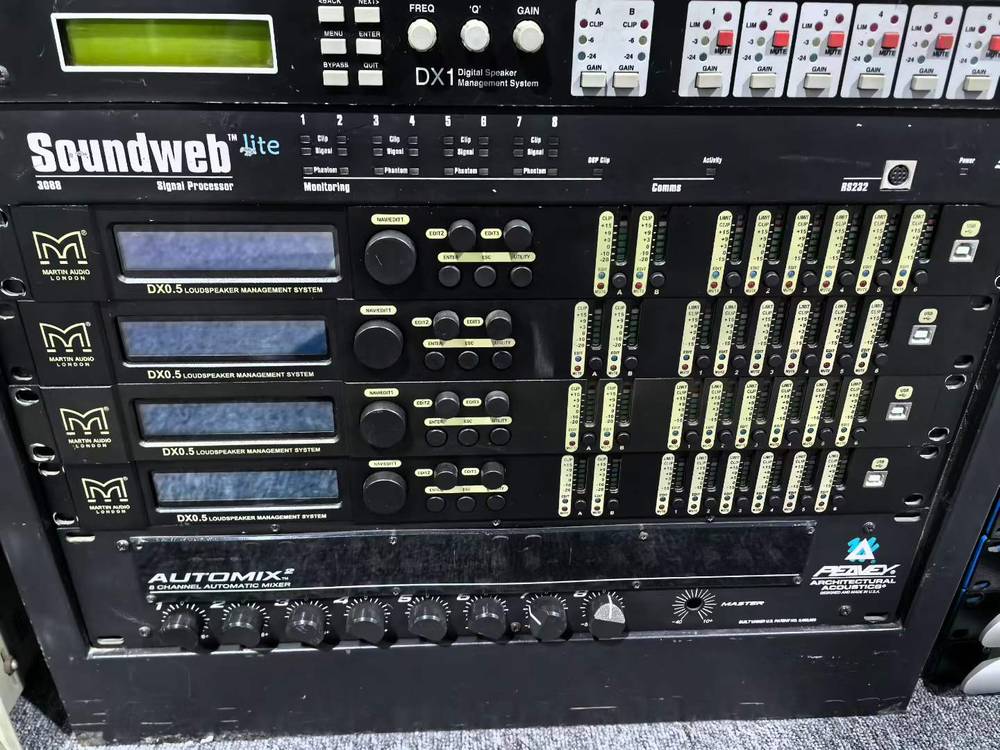
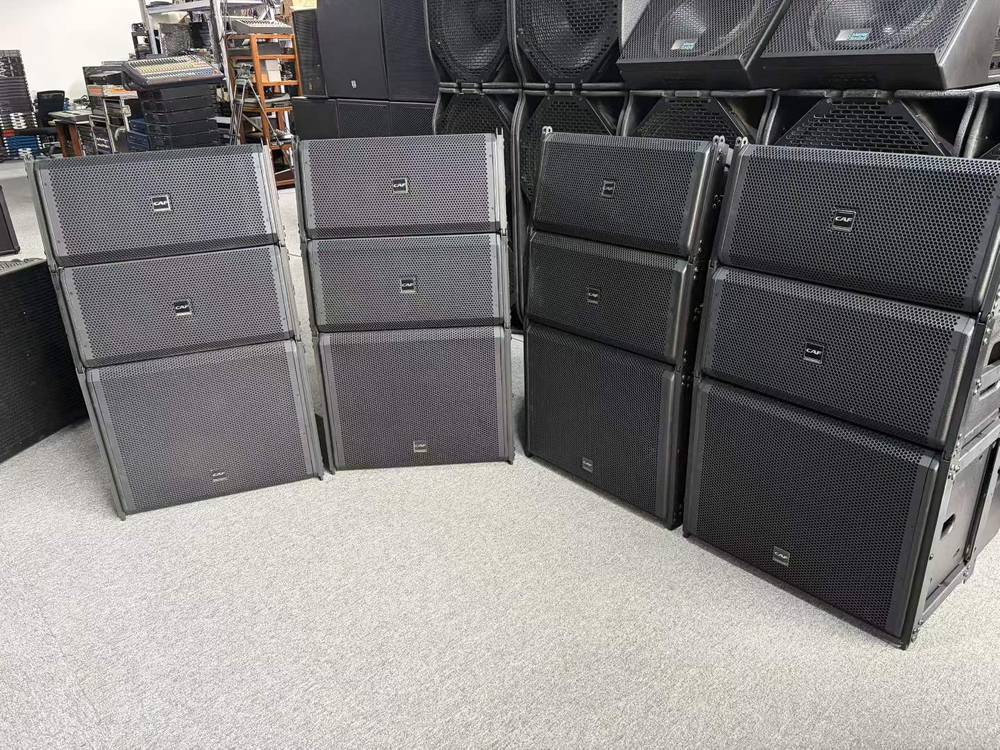
Used club and KTV sound systems are usually purchased as combinations of loudspeakers, amplifiers, mixers, microphones, processors, subwoofers, cabling, and accessories. Export buyers should define the intended venue before comparing individual products. A small KTV room may need compact full-range speakers, a mixer with vocal effects, wireless microphones, and simple playback connections. A club, lounge, or dance venue may require higher sound pressure capability, subwoofers, monitor speakers, a DJ mixer, signal processing, and more robust amplification.
Prepare a channel and power list first. Record the number of microphone inputs, stereo sources, monitor outputs, speaker zones, and subwoofer channels required. Also confirm the destination’s mains voltage, frequency, plug type, and available electrical capacity. Matching the system to the venue reduces the risk of buying equipment that is difficult to install or operate after import.
Inspect condition and technical compatibility
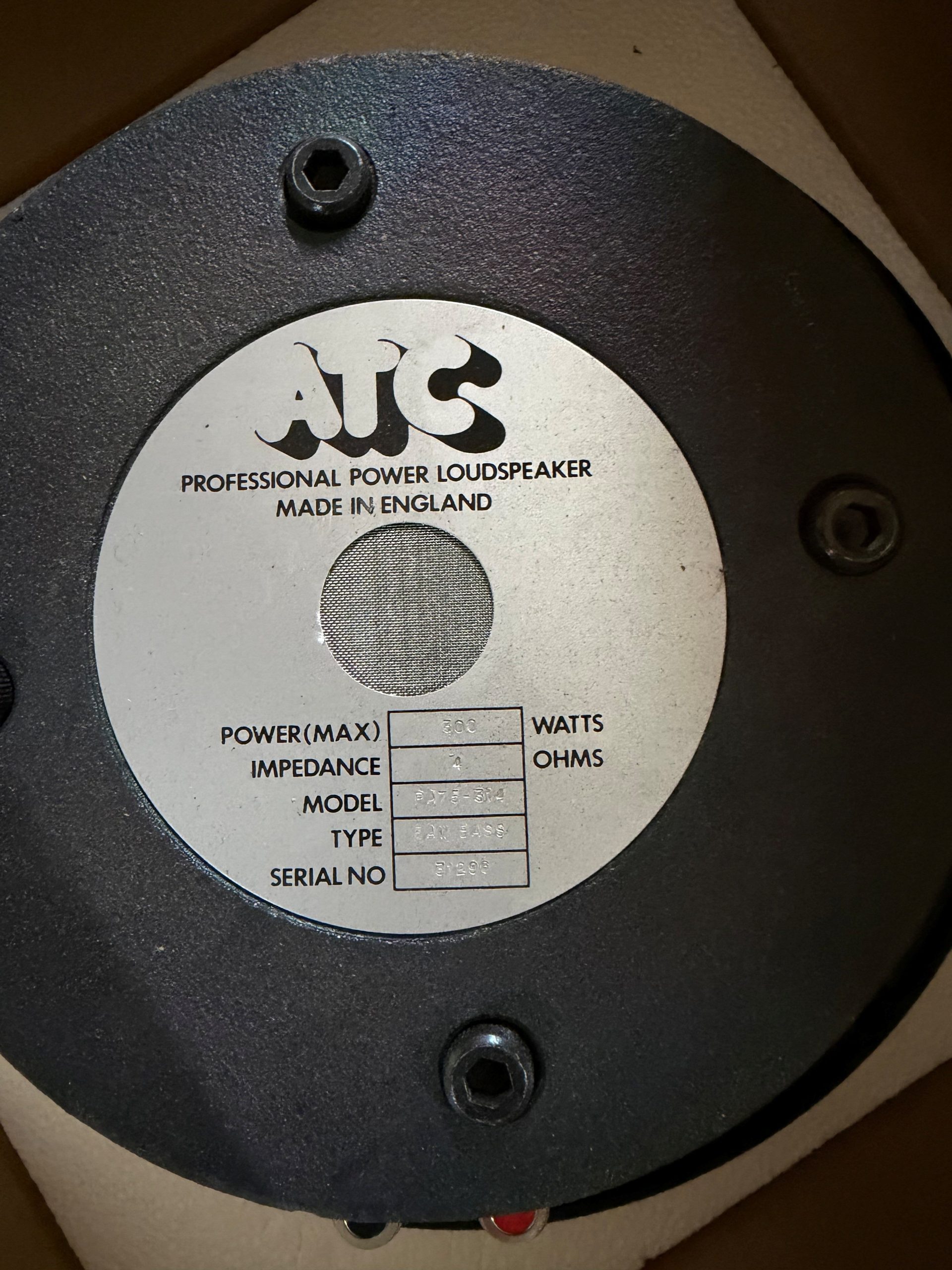
For used equipment, model identification and condition are as important as brand. Ask for clear photographs of front panels, connectors, serial labels, grilles, cabinets, rack ears, and power cords. Look for water damage, corrosion, smoke residue, cracked enclosures, loose handles, distorted grilles, and signs of unauthorized modification. Cosmetic wear may be acceptable, but damaged connectors, overheating, intermittent controls, or repaired loudspeaker drivers can affect reliability.
Request a functional test report that identifies the test date, input and output checks, channel operation, microphone operation, and any known faults. For loudspeakers, useful checks include driver output, rattling, impedance behavior, and crossover performance. For amplifiers, ask whether all channels were tested under an appropriate load and whether fans, protection circuits, and meters operate normally. Confirm that the equipment is genuine and that the listed model matches the photographs.
Build an export-ready package
Ask the supplier for a detailed packing list with manufacturer, model, quantity, serial number where available, condition, and country of origin information if required for customs documentation. Clarify whether the shipment is sold as a complete system or as separate used items. This affects classification, valuation, insurance arrangements, and installation planning.
Professional audio equipment needs protection against shock, moisture, and movement. Rack units should be secured in suitable cases or reinforced cartons. Loudspeakers need corner protection, internal padding, and stable stacking. Label fragile components and keep microphones, cables, adapters, and small control devices in separately identified cartons. Before dispatch, verify the commercial invoice, packing list, transport documents, consignee details, and any destination-specific import requirements with a customs broker or freight forwarder.
Plan installation and after-arrival checks
Before shipment, create a simple signal-flow diagram and label cables by source, destination, and channel. Record amplifier assignments, speaker polarity, crossover settings, and initial gain levels. If the system includes software, presets, or digital mixers, confirm how configuration files will be transferred and whether the buyer can access the required software after import.
On arrival, photograph the packaging before opening and compare each carton with the packing list. Inspect for transport damage, then test equipment gradually using correct voltage and suitable protective devices. Start with low gain, verify signal routing, and check each speaker and microphone separately. UsedAudioHub or another experienced export supplier can help coordinate model information and packing details, but the buyer should still approve the specification, inspection scope, shipping terms, and import responsibilities in writing before payment.