Knowledge base
Used Line Array Systems Wholesale Export Guide
A practical guide to sourcing, inspecting, packing, documenting, and shipping used professional line array systems for international wholesale buyers.
Define the system before requesting offers
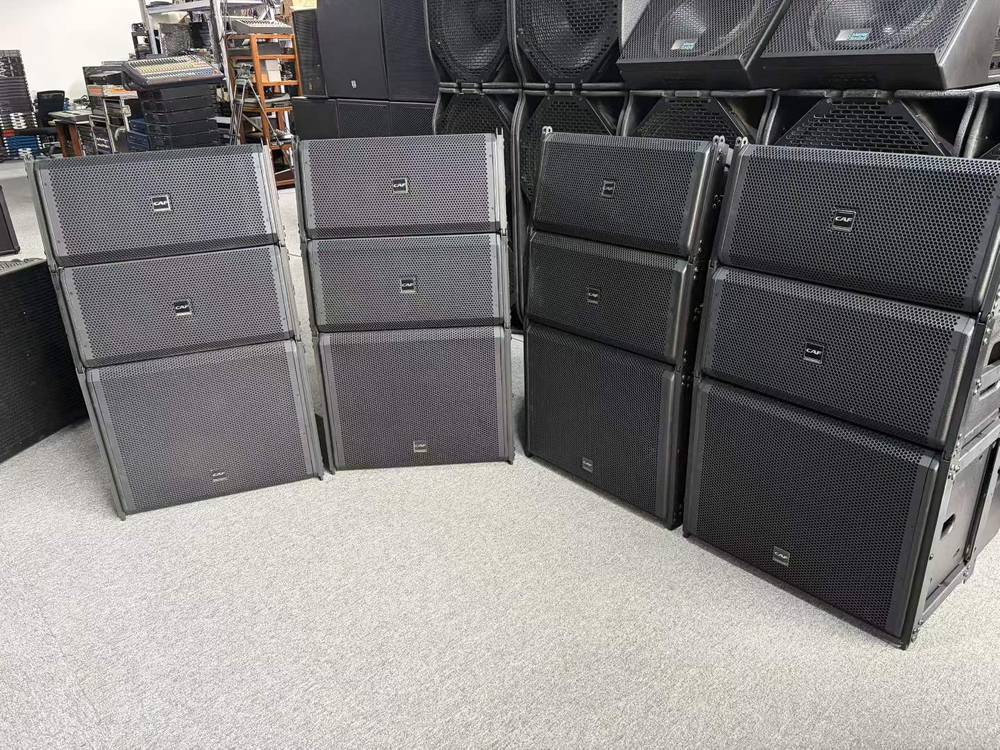
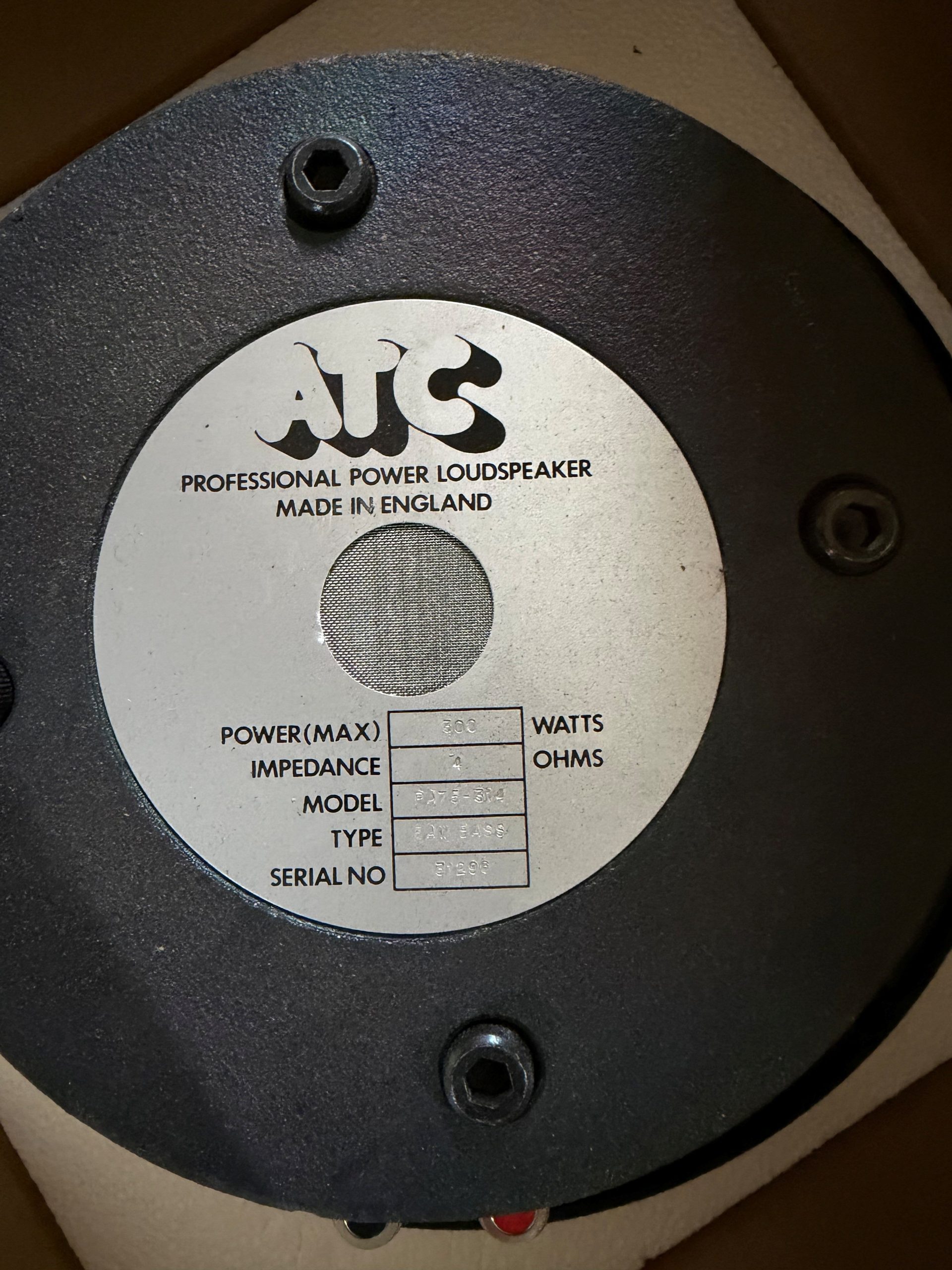
A used line array system is rarely a single product. A wholesale lot may include line array elements, subwoofers, rigging frames, transport carts, amplifier racks, loudspeaker processing, cabling, and spare parts. Start with a written bill of materials and separate the equipment into included, optional, and unavailable items. Ask for manufacturer, model, serial number, quantity, nominal impedance, amplifier compatibility, and the operating history of each major component.
Confirm whether the offer covers a complete flown system or only loudspeaker cabinets. Rigging hardware must be matched to the specific model and inspected as safety-critical equipment. If the seller cannot verify the configuration, treat the lot as mixed used equipment rather than a ready-to-deploy system. Marketplaces such as UsedAudioHub can help buyers compare available lots, but the buyer should still verify every technical and commercial detail directly with the seller.
Inspect condition and compatibility
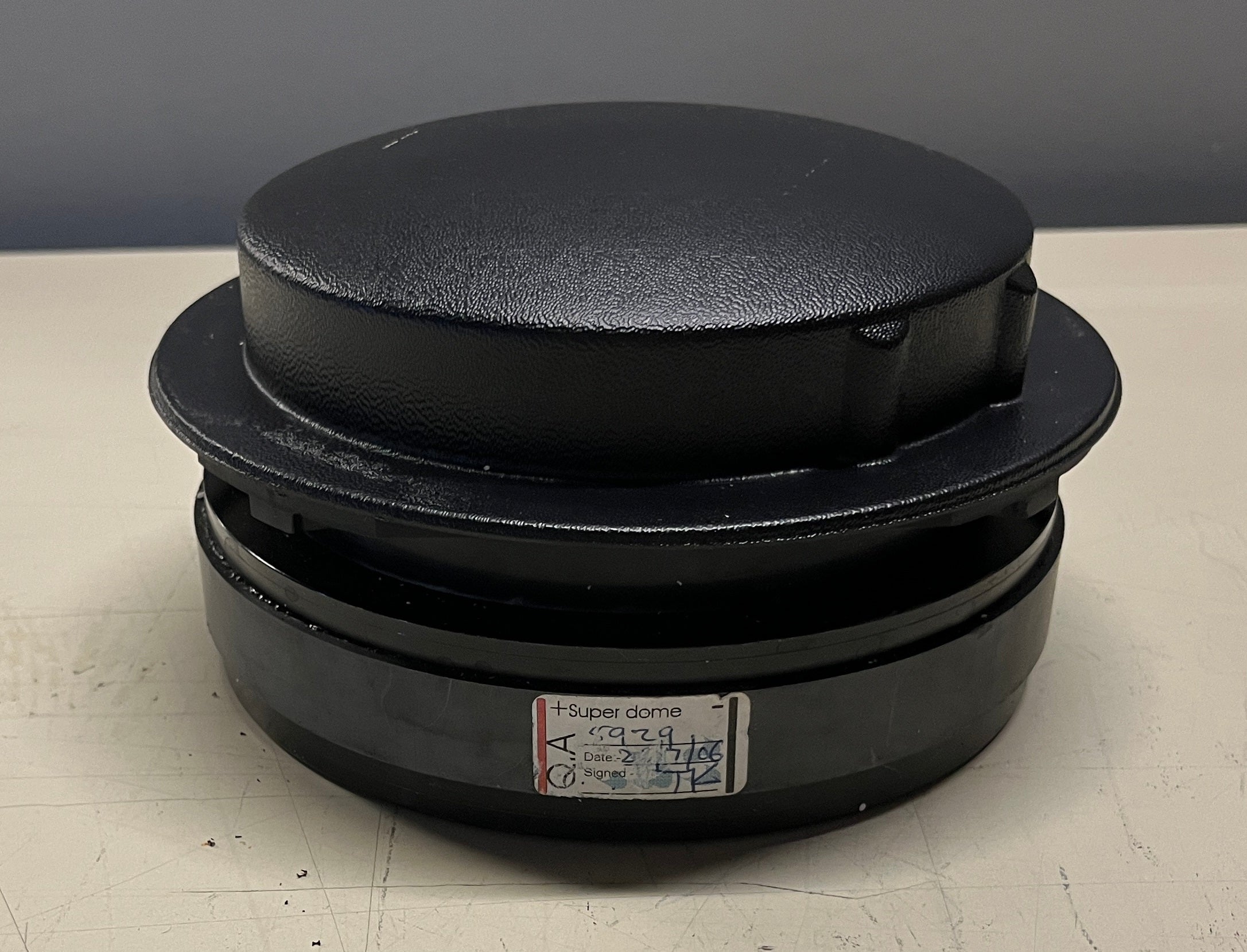
Request recent, well-lit photos of cabinet exteriors, grille cloth, connectors, handles, rigging points, amplifier panels, and internal labels. For a serious purchase, ask for a test report showing that each loudspeaker produces output without abnormal noise, intermittent connections, or visible driver damage. Useful checks include continuity, impedance, polarity, limiter or DSP operation, and a listening test at a controlled level. Amplifiers should be checked for error messages, fan operation, channel output, input connectors, and voltage requirements.
Cosmetic wear is common in touring equipment, but bent rigging parts, cracked cabinets, water exposure, missing pins, modified wiring, and non-original drivers require special attention. Verify that the system can be used with the buyer’s mains voltage, connectors, amplifiers, DSP presets, and rigging plan. Manufacturer documentation may be needed to confirm safe configurations. Do not assume that cabinets from different generations or series can be flown together.
Prepare the export transaction
Agree in writing on the exact quantity, condition description, accessories, test scope, ownership of removed parts, and the inspection or acceptance procedure. The quotation or pro forma invoice should identify seller and buyer, product descriptions, model numbers, quantities, agreed currency, payment terms, delivery term under Incoterms, and the destination. The commercial invoice, packing list, and transport documents should use consistent descriptions and quantities. Ask a customs broker which tariff classification, origin information, and import documents are required in the destination country.
Clarify who arranges export clearance, insurance, inland transport, terminal handling, and import clearance. Used equipment may be subject to local rules on electrical products, waste, wood packaging, or radio equipment when wireless accessories are included. A broker or freight forwarder can confirm current requirements; neither the seller nor a marketplace listing should be treated as a substitute for official customs advice.
Pack and ship touring equipment safely
Line array cabinets are heavy, dense, and vulnerable to impact at rigging points and connector panels. Use suitable flight cases, reinforced crates, or pallets with edge protection, internal blocking, and moisture control. Keep cabinets immobilized and protect rigging hardware from contact damage. Pack amplifiers separately when their weight could stress loudspeaker cabinets. Record serial numbers and photograph the packed lot before collection.
Provide the freight forwarder with dimensions, gross and net weight, stackability, lifting points, and any battery or hazardous-material information. Compare air freight, road transport, and sea freight according to urgency, handling risk, and destination infrastructure. On arrival, the buyer should inspect packaging before signing, note visible damage on the delivery record, and preserve photographs and documents for any claim. A structured inspection and documentation process reduces disputes and helps the buyer deploy the system with fewer surprises.