Knowledge base
Used Professional Speakers Wholesale for Export: A Practical Buyer’s Guide
A practical guide to sourcing, inspecting, documenting, packing, and exporting used professional loudspeakers for wholesale distribution.
Define the speaker requirement before sourcing
Wholesale export transactions work best when the buyer defines the application and technical requirements before reviewing available stock. Specify the speaker type, intended use, quantity, preferred brands or models, connector standards, power handling information, impedance, cabinet material, and acceptable cosmetic condition. Separate full-range systems, subwoofers, stage monitors, installation speakers, and line-array components because their handling and market demand can differ significantly.
Ask the supplier to identify whether each unit is sold individually or as part of a matched system. Confirm whether accessories such as rigging hardware, covers, poles, brackets, grilles, and cables are included. Used equipment may have modifications or missing parts, so the description should distinguish original components from replacements. UsedAudioHub can be a useful reference point when comparing professional equipment categories and preparing a structured sourcing request.
Inspect function, condition, and compatibility
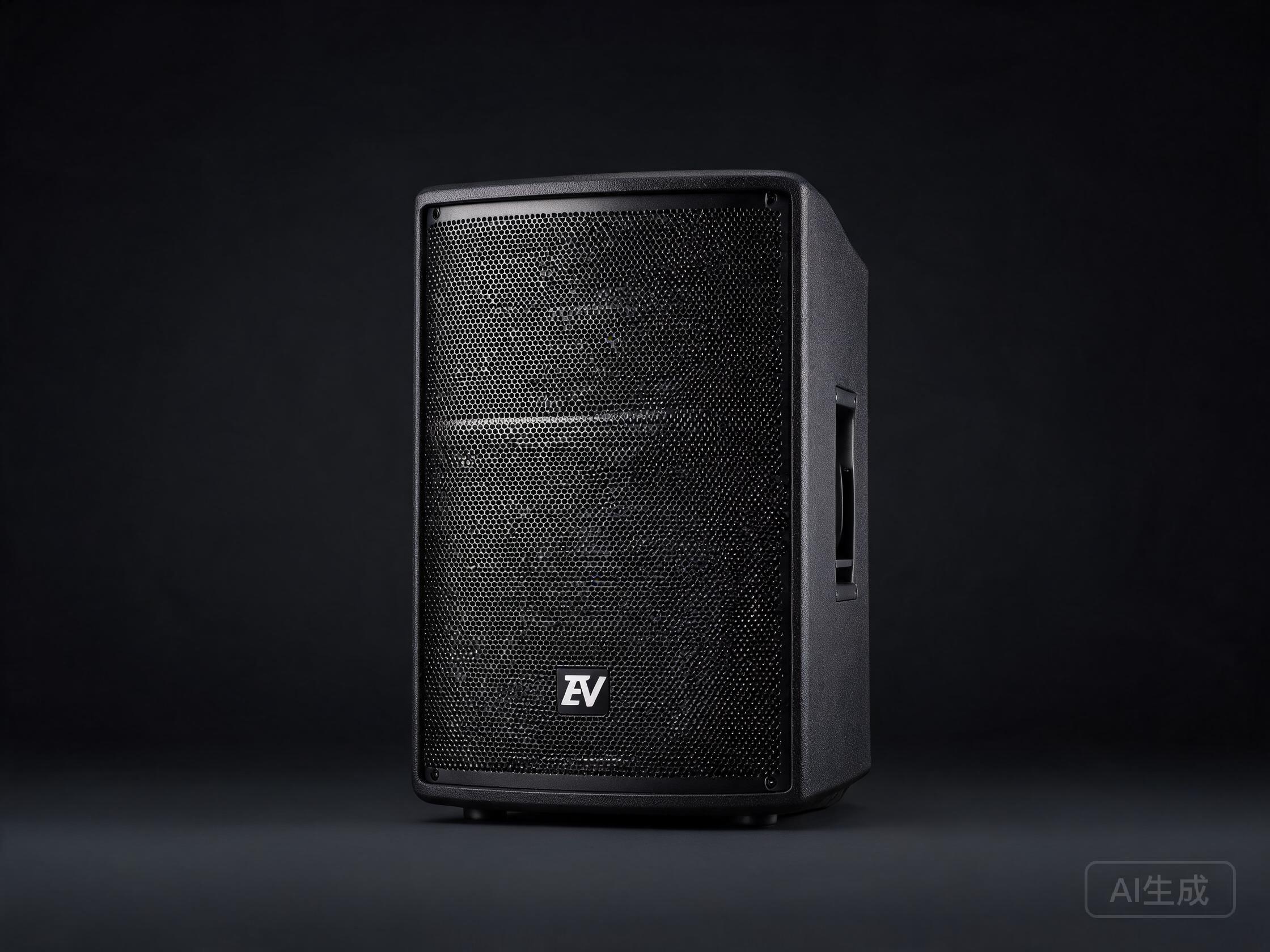
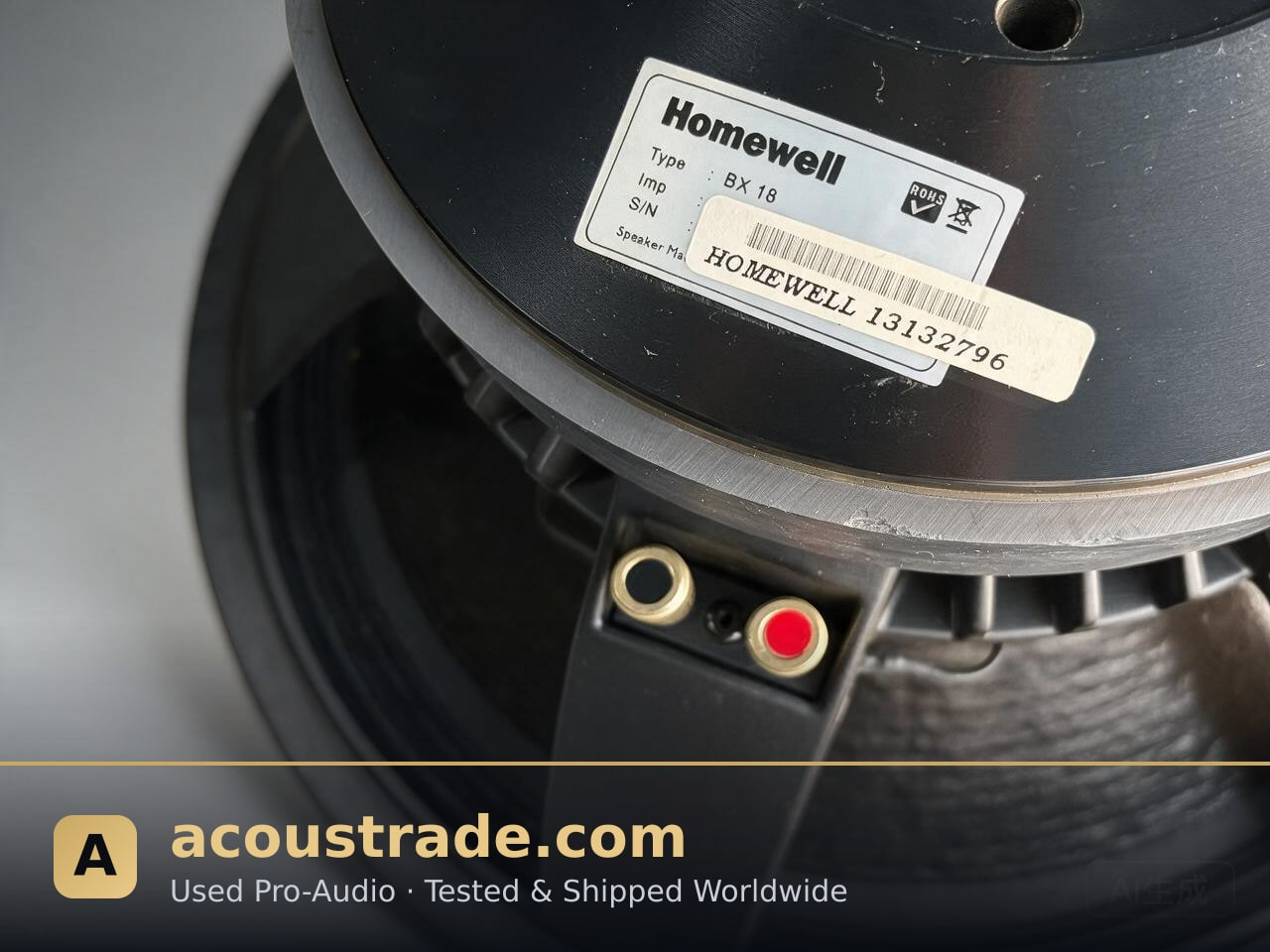
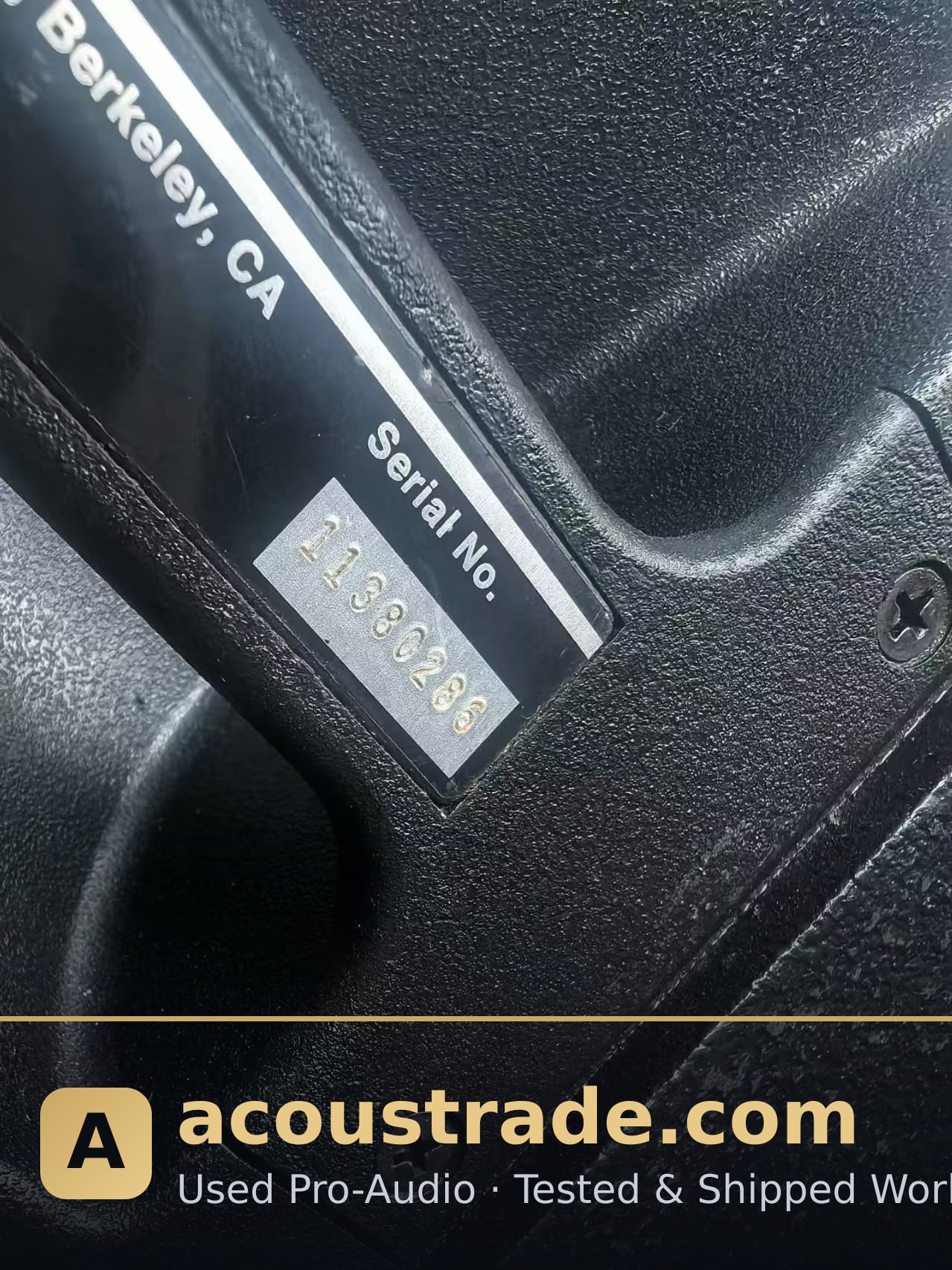
A responsible inspection should cover both acoustic performance and physical condition. Request clear photographs of the front, rear panel, connectors, grille, handles, cabinet corners, labels, and any visible repairs. If available, request a test report that records basic operational checks, including driver output, input connectivity, controls, abnormal noise, and intermittent faults. For powered speakers, ask whether the amplifier section, power supply, cooling system, and signal processing were tested. For passive speakers, confirm the condition of terminals, crossover components, and internal wiring where inspection is possible.
Check model numbers and serial labels against the supplier’s documentation. Confirm voltage and frequency requirements for powered products, since electrical compatibility depends on the destination market. Do not assume that two speakers with similar appearance are interchangeable. Verify mounting points, connector types, DSP files, accessories, and system pairing requirements before agreeing to a mixed lot.
Prepare export documentation and commercial terms
The pro forma invoice should describe the goods accurately, including manufacturer, model, quantity, condition, and whether the items are used. Agree in writing on the trade term, currency, payment schedule, inspection process, and responsibility for freight, insurance, customs clearance, duties, and local taxes. The correct customs classification should be confirmed with a customs broker or the relevant authorities rather than guessed from a product title.
Provide a packing list with carton or pallet counts, gross and net weights, dimensions, and identifying marks. The commercial invoice, transport document, and any required origin or compliance documents should use consistent descriptions. Requirements can vary by destination, especially for powered equipment, wood packaging, batteries in accessories, or restricted materials. The buyer should verify import rules before shipment.
Pack and manage the shipment carefully
Professional speakers are vulnerable to impact, moisture, vibration, and pressure on grilles and connectors. Use suitable cartons, internal cushioning, corner protection, and pallet strapping. Heavy subwoofers and large cabinets should be secured so they cannot shift during handling. Protect drivers and control panels from direct contact with packing materials, and photograph the packed shipment before collection. Record serial numbers and pallet marks to simplify receiving and claims management.
Before dispatch, reconcile the final inspection notes, photographs, quantities, accessories, and documents. A clear condition report reduces disputes, but it should not replace the buyer’s own checks where practical. After arrival, inspect the packaging before opening, note visible damage on the transport record, and test the equipment promptly. This process helps wholesale buyers build repeatable export operations without relying on assumptions about used stock.